How to Use Medical Simulation VR for Enhanced Healthcare Training?
In recent years, Medical Simulation VR has emerged as a transformative tool in healthcare training. This innovative technology immerses medical professionals in realistic scenarios. It allows for hands-on practice without the risk of harming patients. By engaging in these simulations, learners can develop critical skills needed in high-pressure situations.
Medical Simulation VR offers an interactive experience that fosters retention of knowledge. Practitioners can face diverse clinical challenges, from surgeries to emergency response. However, not all simulations are equally effective. The choice of scenarios must reflect real-life experiences. Otherwise, training may not translate well to clinical settings.
The integration of feedback is crucial in this learning process. Without it, participants may miss key learning opportunities. Therefore, instructors must emphasize reflection on performance after each simulation. Medical Simulation VR represents not just a trend, but a significant evolution in medical education. Its potential is vast, yet we must continuously assess its effectiveness.
Benefits of Medical Simulation VR in Healthcare Training
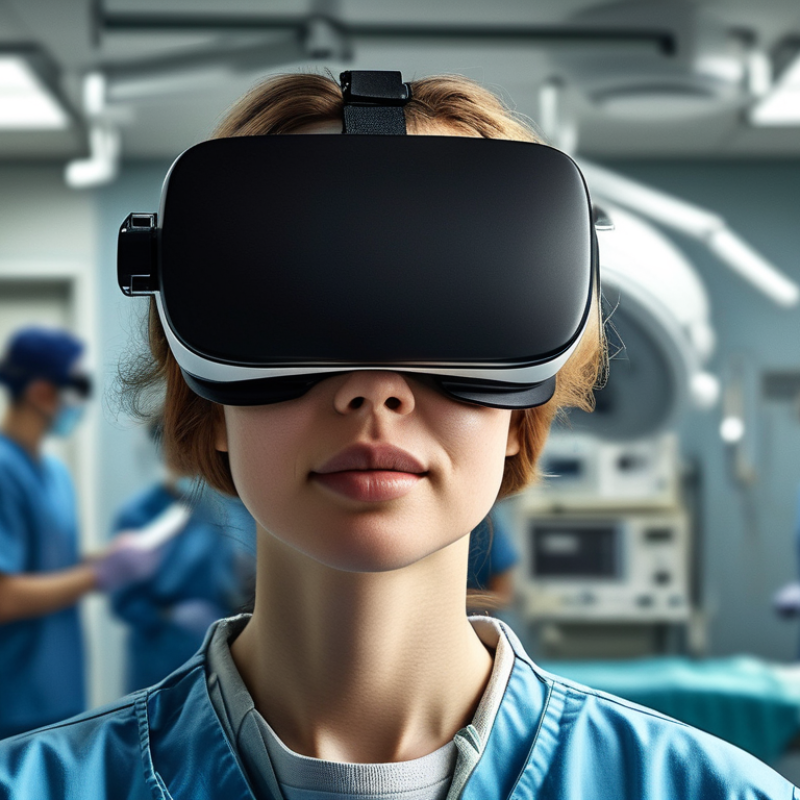
Medical simulation VR offers transformative benefits in healthcare training. It immerses learners in realistic scenarios, enhancing skill retention and comprehension. Trainees can practice procedures repeatedly without risks to patients. This virtual environment fosters critical thinking and decision-making under pressure.
One key advantage is the opportunity for a hands-on approach. Medical professionals can simulate surgeries or complex scenarios, which helps build confidence. However, not all practitioners may feel equally comfortable in virtual settings. Adjusting to the technology can pose challenges. Some may find the experience disorienting or overwhelming.
Furthermore, VR in training promotes teamwork and communication skills. Simulations allow teams to practice protocols together, improving coordination. Yet, there are concerns about replicating real-life dynamics. Virtual interactions may lack the nuances found in actual patient care. As with any training method, ongoing evaluation is vital to identify these gaps.
Benefits of Medical Simulation VR in Healthcare Training
Technical Aspects of VR Simulation in Medical Education
Medical simulation VR is revolutionizing healthcare training. This technology provides immersive experiences that enhance learning and skill development. Medical professionals, from students to experienced practitioners, benefit from realistic scenarios. They can practice procedures, decision-making, and teamwork in a safe environment.
The technical aspects of VR simulation involve advanced graphics, haptic feedback, and real-time data processing. High-quality visuals create lifelike situations. Haptic feedback enhances the sense of touch, making procedures feel more authentic. However, creating accurate simulations requires extensive resources and expertise. Not every medical institution has access to such technology.
Integrating VR into existing curricula can be challenging. Instructors must adapt their teaching methods to incorporate these tools effectively. Additionally, not all students may feel comfortable with VR, potentially hindering their learning experience. Ensuring equitable access to this technology remains a crucial consideration. Balancing innovation with accessibility is vital for the effective use of VR in medical education.
How to Use Medical Simulation VR for Enhanced Healthcare Training?
| Training Aspect |
VR Application |
Benefits |
Challenges |
| Surgical Training |
Simulated surgical procedures |
Improves dexterity and decision-making |
High cost of equipment |
| Patient Interaction |
Virtual patients for interviews |
Enhances communication skills |
Limited realism in patient responses |
| Emergency Response |
Crisis simulation scenarios |
Improves team coordination |
Tech glitches during practice |
| Post-Operative Care |
Simulation of patient recovery |
Training for real-life scenarios |
Need for updates with new procedures |
Adoption Rates of VR Technology in Healthcare Training Programs
The adoption rates of VR technology in healthcare training programs are gaining momentum. According to a report from the Immersive Learning Research Network, 84% of medical educators believe VR enhances learning. However, challenges remain. Many institutions cite high costs and limited access to advanced technology. Despite these issues, the potential of VR to simulate real-life scenarios is proving invaluable.
Studies show that immersive VR training leads to a 30% improvement in knowledge retention among students. These figures suggest that incorporating VR into training can prepare healthcare professionals more effectively. Yet, implementation is not without hurdles. Training staff on new technologies can often be daunting. Additionally, not all trainees adapt to VR as expected.
Tips: Start small by piloting VR in specific departments. Evaluate feedback and adjust programs accordingly. Provide additional support for those less familiar with technology. Using VR for practical skills can enhance confidence among participants. Remember, not every training session will be seamless. Reflection on these experiences can lead to better integration.
Case Studies: Successful Implementation of VR in Medical Training
Medical simulation VR is transforming healthcare training, as seen in various case studies. One notable example involves a surgical residency program that integrated VR simulations. Residents practiced complex procedures in a risk-free environment. The program noted improved surgical skills and confidence among participants. Feedback indicated that the immersive experience reduced anxiety, enhancing real-world performance when operating on patients.
Tips for implementing VR in medical training include starting with simple simulations. Begin with basic procedures before progressing to more complex scenarios. This can help trainees build a strong foundation. Additionally, continually gather feedback from participants. This information can guide improvements and adjustments to the VR training modules, ensuring they meet the needs of learners.
Another case study showed a nursing program utilizing VR for emergency response training. Trainees experienced simulated high-pressure situations, helping them make quick decisions. The immersive nature of VR heightened their engagement. However, some trainees reported initial discomfort with the technology. Addressing these concerns is crucial. Providing comprehensive orientation sessions can ensure all participants feel comfortable and confident in using VR tools.
Future Trends in Medical Simulation VR for Enhanced Learning Experiences
The landscape of medical education is evolving with the integration of Virtual Reality (VR) in training programs. Despite its growing popularity, not all healthcare professionals are fully comfortable with VR simulations. A recent survey indicated that 30% of practitioners expressed concerns about the realism of these simulations. This highlights a critical area for development. Improving realism in VR scenarios could enhance trust and user engagement.
Future trends point toward more personalized learning experiences in medical simulation VR. By harnessing AI-driven analytics, training can be tailored to individual needs. A report from the National Institutes of Health noted that personalized simulations could potentially increase retention rates by 40%. This data underscores the need for institutions to invest in adaptable VR technologies. However, without proper infrastructure and training, the full potential of such innovations may not be realized immediately.
Moreover, collaboration among healthcare educators is essential. Sharing insights on effective VR practices can bridge gaps in knowledge and skill development. A study by the Association of American Medical Colleges found that 50% of educators are still exploring how to effectively implement VR into their curricula. Continued dialogue will help to address challenges and maximize the benefits of VR in medical training.