2026 Best Clinical Simulation in Nursing Trends and Innovations?
The landscape of Clinical Simulation in Nursing is evolving rapidly. As we approach 2026, new trends and innovations are emerging that reshape the education and practice of nursing. These advancements reflect a deeper understanding of experiential learning and the critical need for practical skills in healthcare.
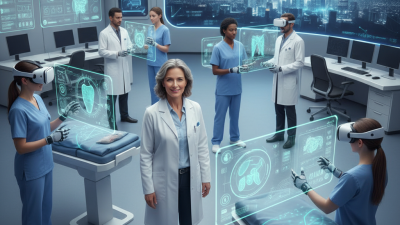
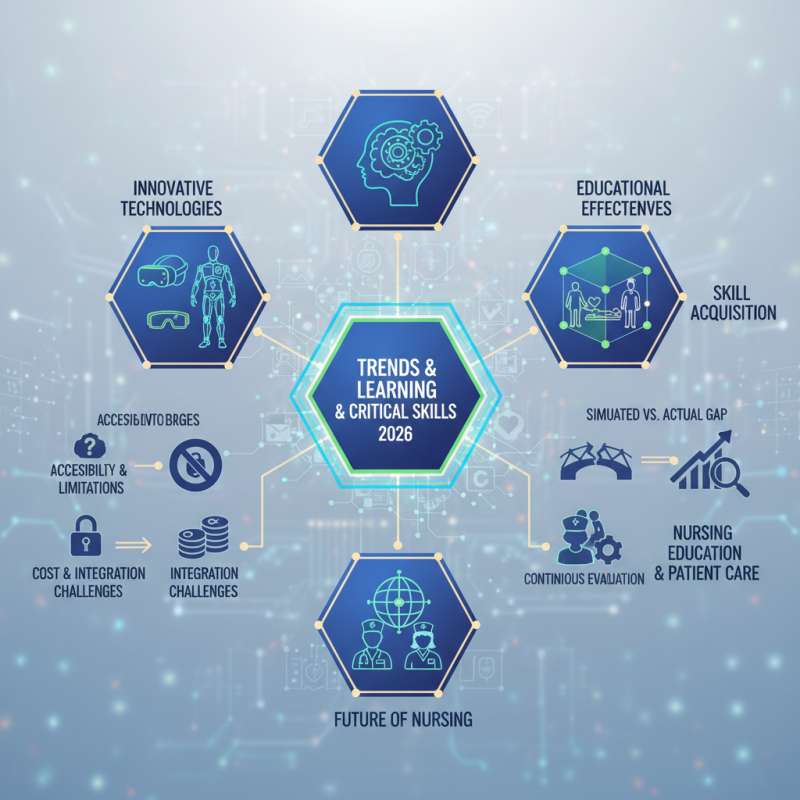
Innovative technologies are at the forefront, providing realistic scenarios for nursing students. Virtual reality, augmented reality, and high-fidelity mannequins enhance learning experiences. However, there are limitations in accessibility and training for these technologies. Some institutions struggle with the cost and integration into existing curricula.
We must also consider the effectiveness of these simulations. While they enhance skill acquisition, they may not fully prepare students for real-world dynamics. The gap between simulated and actual patient interactions can lead to overconfidence. Continuous evaluation of these trends is crucial to ensure they meet the evolving needs of nursing education and patient care.
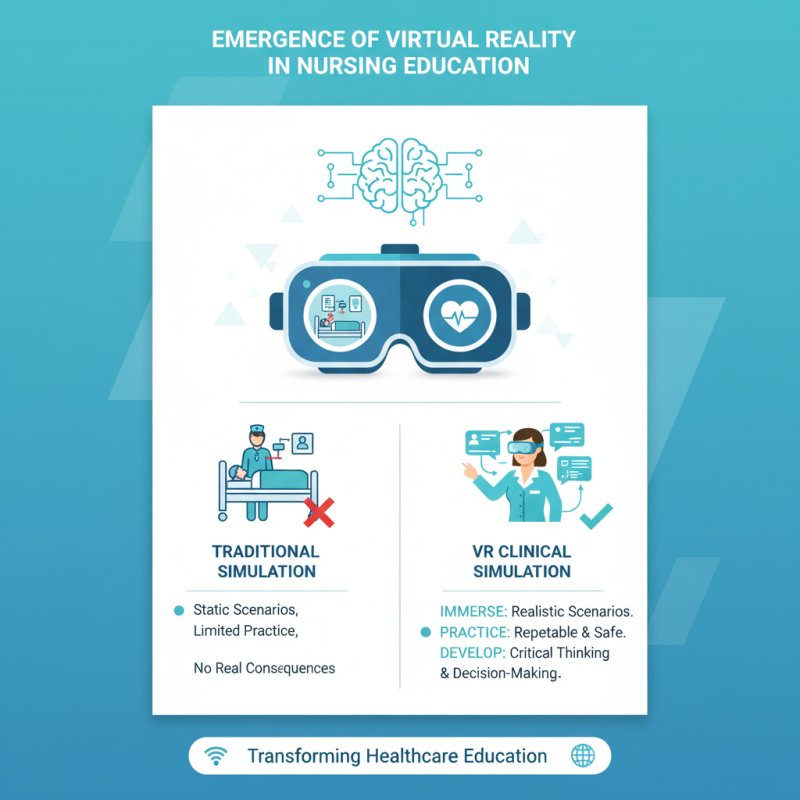
Emergence of Virtual Reality in Clinical Simulation for Nursing Education
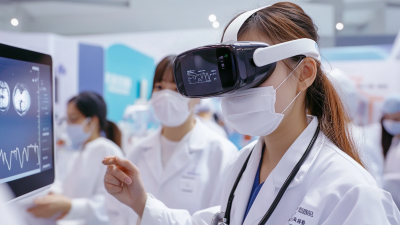
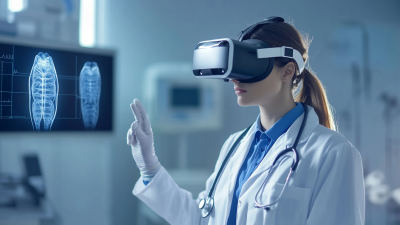
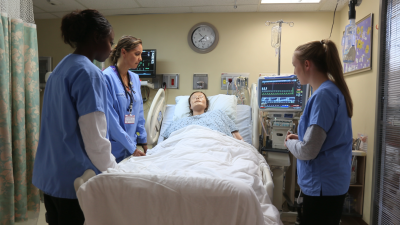
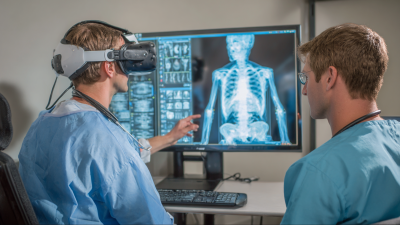
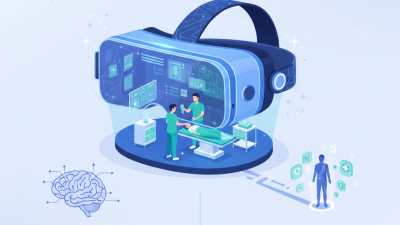
The rise of virtual reality (VR) in nursing education has transformed clinical simulation. Instead of traditional mannequins, students now engage in immersive environments. They experience realistic scenarios that enhance critical thinking and decision-making skills. This technology allows for repeated practice without real-world consequences.
VR simulation can replicate rare medical emergencies. Students can face challenging situations like cardiac arrests or complicated deliveries. This dynamic learning method builds confidence and competence. However, not all nursing programs have adopted this technology. Some institutions face budget constraints or resistance to change.
Despite its potential, VR is not a perfect solution. It requires ongoing evaluation and feedback from educators and students. Balancing innovation with educational traditions remains essential. Engaging in discussions about its effectiveness will strengthen nursing education.
Integration of Artificial Intelligence for Personalized Simulation Training
The integration of artificial intelligence (AI) in clinical simulation is transforming nursing education.
AI-powered simulations offer personalized training experiences.
They adapt to each learner's needs, promoting better engagement and retention. For instance, if a student struggles with a specific skill,
AI can adjust scenarios to provide additional practice. This targeted approach helps build confidence and competence.
However, while AI enhances simulation, challenges remain. Not all educators are equipped to use this technology effectively.
Some may rely on traditional methods, potentially leaving gaps in learning. Additionally, issues of data privacy
and ethical concerns around AI in healthcare can't be overlooked.
Balancing innovation with security is essential to ensure a safe learning environment.
Moreover, the reliance on AI might lead to overconfidence in technology.
Students should still develop critical thinking and hands-on skills. Personalization is beneficial, but it must not replace fundamental nursing competencies.
The evolution of clinical simulation should focus on combining technology with human interaction for the best outcomes.
Advancements in Standardized Patient Programs and Assessment Techniques
The realm of nursing education is rapidly evolving. Standardized Patient Programs (SPPs) play a crucial role in this transformation. These programs utilize trained individuals to simulate real-life patient scenarios. They provide nursing students with an opportunity to practice clinical skills in a safe environment. This hands-on experience is vital for building confidence and competence.
Recent advancements in assessment techniques are also noteworthy. New tools now help educators evaluate student performance more accurately. For instance, digital platforms are emerging that allow for real-time feedback. This leads to a deeper understanding of student strengths and weaknesses. However, there are challenges to consider. Not all programs have the same level of integration or quality. Addressing these inconsistencies remains a critical task for educators.
Moreover, the reliance on standardized patients raises questions. Are these simulations truly reflective of diverse patient populations? It's important to recognize the limitations. Not every student will encounter the same conditions in their careers. Continuous evaluation of these programs is necessary to ensure they meet the diverse needs of future healthcare environments. By fostering innovation and addressing challenges, we can enhance the effectiveness of nursing education.
Trends in Interprofessional Education through Clinical Simulation Scenarios
Interprofessional education (IPE) through clinical simulation is transforming nursing training. By engaging students from various health disciplines, it fosters collaboration. This approach mimics real-life scenarios. It helps students learn to communicate effectively and work as a team.
Clinical simulations encompass numerous acute situations. For instance, nursing students might tackle a complex patient case with physicians and pharmacists. Each participant brings unique insights to solve problems. Such experiences push students to think critically and adapt. However, this method also reveals gaps in teamwork skills. Some students may struggle to express their ideas. Others may hesitate to assume leadership roles. Reflecting on these challenges is vital for growth.
Creating realistic scenarios is crucial for effective learning. Simulations must be relevant and challenging. They should reflect the dynamics of healthcare settings. Students can rehearse their roles in a safe environment. Feedback from peers and instructors enhances this learning process. Yet, the need for ongoing improvement is evident. As education evolves, so must our approaches to simulation.
2026 Trends in Interprofessional Education through Clinical Simulation Scenarios
Impact of Remote Simulation on Nursing Practice and Patient Outcomes
Remote simulation in nursing has emerged as a significant trend. It enhances clinical skills and reinforces critical thinking. With real-time scenarios, nurses practice in safe environments. This method allows immediate feedback, fostering growth and confidence.
Patient outcomes also improve with remote simulation. Nurses report higher satisfaction and readiness. Yet, it's essential to reflect on its limitations. Access to technology can create barriers. Not all students engage equally in virtual settings. Tailoring experiences to individual learning styles is crucial.
The impact of remote simulation extends beyond technical skills. It cultivates communication and teamwork. However, challenges such as reliance on technology and potential simulation fatigue need attention. Continuous evaluation will refine this approach, ensuring optimal benefits for nursing practice and patient care.