Best Virtual Reality Technology for Global Buyers?
Virtual Reality Technology is transforming the way we interact with digital environments. From gaming to training, VR offers immersive experiences that captivate users. This technology has gained popularity among global buyers seeking innovative solutions.
However, not all VR systems are created equal. Some tools promise an unparalleled experience but may fail to deliver. Potential buyers should carefully evaluate features, performance, and support. Understanding the nuances of different options is crucial.
As the market evolves, it is essential to stay informed about trends and improvements in Virtual Reality Technology. Insights from experts and user reviews can aid in making informed decisions. In a fast-paced industry, reflecting on both successes and shortcomings will help buyers navigate this exciting landscape.
Emerging Trends in Virtual Reality Technology for Global Consumers
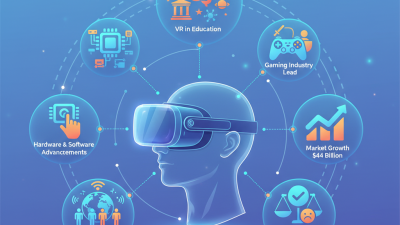
Virtual reality technology is evolving rapidly. According to a recent report by Statista, the global VR market is expected to reach $57.55 billion by 2027. This impressive growth is driven by enhanced consumer experiences across various sectors such as gaming, education, and healthcare. Users are increasingly seeking immersive environments that VR uniquely provides.
In education, VR is reshaping learning experiences. A 2022 study by PwC found that VR training can lead to a 40% improvement in retention rates compared to traditional methods. However, the challenge lies in creating universally accessible content. Not all learners benefit equally from VR, which can lead to disparities in engagement and effectiveness.
The gaming industry is another key driver. According to Newzoo, VR revenue in gaming reached $1.7 billion in 2022. Despite this, not all consumers can easily adopt the technology. High costs and limited content still hinder widespread acceptance. The industry must reflect on these barriers and seek innovative solutions to improve accessibility for diverse user bases.
Best Virtual Reality Technology for Global Buyers?
Emerging Trends in Virtual Reality Technology for Global Consumers
| Technology |
Description |
User Benefits |
Emerging Trends |
| Standalone VR Headsets |
Self-contained devices that offer VR experiences without the need for a powerful PC. |
Portability, ease of use, and accessibility for casual users. |
Increased affordability and availability of high-quality experiences. |
| VR in Education |
Utilization of VR technology for immersive learning experiences across various subjects. |
Enhanced engagement, interactive learning, and improved retention of information. |
Growing adoption in schools and higher education institutions. |
| Social VR Platforms |
Virtual spaces where users can interact, socialize, and co-create experiences. |
Fosters community building and shared experiences. |
Integration of more sophisticated avatars and environments. |
| VR in Healthcare |
Use of VR for therapy, surgical training, and pain management. |
Improved patient outcomes and enhanced training for healthcare professionals. |
Increased investment and research in therapeutic applications. |
| VR Gaming Advances |
Innovative gaming experiences using VR technology to immerse players. |
Enhanced realism and interactive storytelling. |
Emergence of cross-platform compatibility and high-fidelity graphics. |
Key Factors to Consider When Choosing VR Devices for Purchase
When selecting virtual reality (VR) devices, several key factors significantly impact the overall experience. Comfort is essential. Extended use can lead to discomfort, affecting immersion. Reports suggest that around 58% of users experience fatigue or strain. Design ergonomics play a crucial role here. A lightweight, well-balanced headset can make a notable difference in user satisfaction.
Another critical aspect is content compatibility. VR is only as good as its content. A study by VR Industry Report highlights that 70% of consumers prioritize available applications and experiences when choosing a VR headset. Diverse content enhances user engagement and value. This makes understanding platform choices essential for buyers. The backward compatibility of devices can also influence long-term use.
Performance metrics should not be overlooked. Factors such as resolution, field of view, and refresh rates directly impact visual quality and realism. It’s important to know that many devices may not meet the desired standards. For instance, some high-end models offer 4K resolution, yet some users report disappointment in color accuracy. Encuestados en el Informe de Tecnología de VR semi-anual muestran que solo el 35% de los usuarios están completamente satisfechos con la resolución de su dispositivo. These insights help buyers navigate their choices wisely.
Comparative Analysis of Leading VR Technologies on the Market
The virtual reality market has seen a surge, driven by advancements in technology and increasing demand. According to a report by Statista, the global VR market is projected to reach $57.55 billion by 2027. This growth presents valuable opportunities for global buyers seeking cutting-edge solutions.
Leading VR technologies vary widely in experience and application. For instance, Oculus dominates in gaming, while HTC Vive offers robust enterprise features. A comparative analysis reveals that while Oculus provides an immersive gaming experience, it lacks the enterprise-ready tools of others. Meanwhile, Pico is gaining traction in the B2B sector, appealing to companies aiming for reliable training solutions. However, these technologies often come with a steep learning curve.
Despite these innovations, challenges remain. Users report issues such as motion sickness, which can detract from the experience. The need for more ergonomic designs is paramount. Manufacturers must consider user feedback to refine products. As buyers navigate this evolving landscape, understanding these nuances will be vital for making informed decisions.
User Experience and Immersion: Evaluating VR Systems for Buyers
Virtual reality (VR) technology has grown rapidly, leading to a diverse array of systems available for global buyers. User experience and immersion are crucial factors in evaluating these systems. According to the "2023 Virtual Reality Market Report," 78% of users prefer immersive experiences that mimic real-life interactions. However, not all VR systems deliver equally on this front.
The variance in quality can hinder user satisfaction. Many VR platforms still struggle with latency issues, which can diminish immersion. A report from the International VR Association highlighted that 35% of users experience discomfort due to poor responsiveness. Data indicates that a seamless user experience correlates with higher engagement levels, as studies show a 60% increase in user retention when motion is fluid.
Potential buyers must also consider the content compatibility of VR systems. A recent survey indicated that 57% of users felt limited by the available content. This speaks to the need for ongoing content development in the VR landscape. Many systems appear technologically advanced but lack a robust library to maintain interest over time. Reflecting on these aspects can help buyers make informed decisions about their investments in VR technology.
Best Virtual Reality Technology for Global Buyers
Future Directions of Virtual Reality Technology: What to Expect?
The landscape of virtual reality (VR) technology is rapidly evolving. As VR gains traction in various sectors, users can expect more immersive experiences. Future advancements may include improved graphics, lower latency, and enhanced interactivity. This combination will deepen user engagement, making VR a powerful tool.
Tips: Stay updated on VR trends. Follow industry publications and research reports. Networking with professionals can provide insights into upcoming technologies.
In the coming years, VR applications will expand. Education and training sectors will leverage this tech for richer learning experiences. However, challenges like content accessibility remain. Developers must consider diverse user needs without compromising quality. Balancing innovation and usability is crucial.
Tips: Test different VR applications. Understand what works for you. Consider usability before committing to a platform. This reflection can save resources and enhance your VR journey.