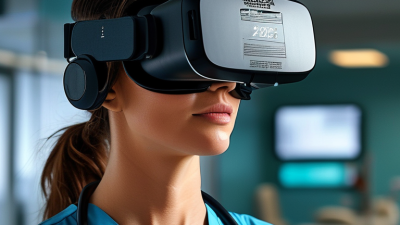
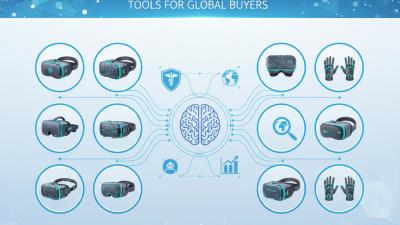
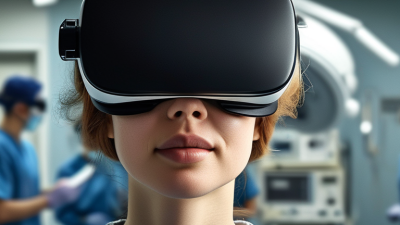
The integration of Medical Simulation VR in healthcare training is transforming the landscape of medical education. According to a report by the American Medical Association, training programs utilizing simulation technologies have reduced medication errors by 37%. This statistic underlines the potential of Medical Simulation VR in enhancing patient safety and training efficiency. Dr. Emily Carter, a leader in medical technology innovation, emphasizes that "immersive experiences can significantly improve skill retention."
Medical Simulation VR allows healthcare professionals to practice complex procedures in a risk-free environment. This approach enhances learning and reinforces critical skills. Studies indicate that healthcare providers who utilize VR simulators report a higher confidence level during real-life procedures. Yet, challenges exist; not all institutions have access to the latest VR technology.
As the healthcare industry evolves, the importance of effective training cannot be overstated. Medical Simulation VR offers a glimpse into the future of education for healthcare workers. However, addressing disparities in technology access remains a crucial task. The journey of integrating Medical Simulation VR into standard practice is just beginning.
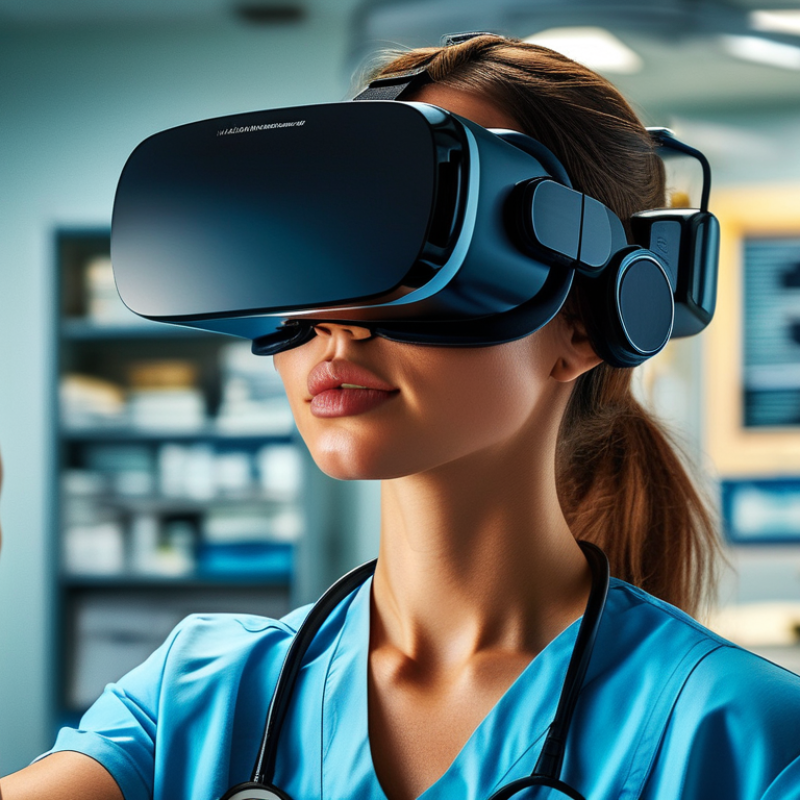
Medical simulation using virtual reality (VR) is transforming healthcare training. It allows practitioners to immerse themselves in lifelike scenarios. This technology helps in mastering critical skills without risking patient safety. By simulating real-life emergencies, healthcare professionals can practice their responses. They develop confidence and improve competency through repetition in a controlled environment.
Training through VR is interactive and engaging. It caters to various learning styles, enhancing knowledge retention. However, reliance on simulations can create a gap between virtual experiences and real-world encounters. Practitioners must bridge this gap with hands-on training. Combining VR with traditional methods provides a more comprehensive education.
For effective VR training, it’s essential to set clear objectives. Practitioners should prioritize scenario diversity. This includes different medical conditions and emergency situations. Regularly updating the simulation content is crucial to reflect current medical practices. Engaging in reflective practice after each session can identify areas for improvement. This approach ensures that healthcare providers are not only technically proficient but also adaptable in unpredictable real-life scenarios.
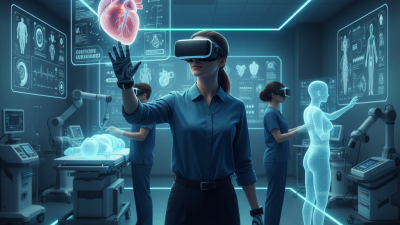
Medical simulation VR is transforming healthcare training. Through immersive environments, healthcare professionals practice skills without risking patient safety. A 2022 study from the Journal of Medical Internet Research found that 70% of participants felt more prepared after using VR for training compared to traditional methods. This effectiveness highlights VR as a vital tool for enhancing medical education.
Realistic practice environments allow trainees to confront various clinical scenarios. For example, they can simulate high-pressure emergencies that would be too risky to replicate in real life. Research indicates that simulation training significantly improves crisis management skills and patient outcomes. An analysis revealed a 60% decrease in medical errors among professionals who trained using VR simulations.
Despite the benefits, some practitioners express concerns about over-reliance on technology. Experienced staff may find it challenging to adapt to virtual setups. Additionally, creating high-quality simulations requires significant investment in technology and training. Balancing traditional methods with VR is crucial to ensure comprehensive skill development while maintaining patient safety.
Virtual reality (VR) in medical simulation offers a transformative approach to training healthcare professionals. One significant benefit is enhanced learning and retention of complex procedures. Traditional methods, such as lectures, often fail to engage learners fully. VR immerses students in realistic scenarios, allowing them to practice skills in a safe environment. This immersive experience can lead to better understanding and retention of techniques, as learners actively participate rather than passively observe.
In VR simulations, healthcare trainees can explore intricate medical procedures. For example, simulating a surgical operation allows them to visualize anatomical structures. They can manipulate virtual tools and techniques, experiencing the procedure in real-time. This kind of hands-on practice fosters muscle memory, improving performance when they eventually encounter real patients. However, some learners might struggle with the technology. They may face challenges adapting to the VR environment, causing initial frustration. This requires instructors to provide adequate support during the learning process. Continuous evaluation and feedback help address these issues, enhancing both knowledge retention and practical skills over time.
Medical simulation VR is transforming healthcare training by enhancing interprofessional collaboration among healthcare teams. This immersive technology brings together diverse professionals, such as nurses, doctors, and pharmacists. They can practice real-life scenarios in a safe and controlled environment. This collaboration fosters communication skills and helps break down professional barriers.
Hands-on experience in VR allows team members to understand each other's roles. For instance, a doctor might learn how a nurse manages patient care during emergencies. They can experience different perspectives, leading to better teamwork. Yet, challenges exist. Not every healthcare professional is comfortable using technology. Some may resist this new training method due to unfamiliarity.
Creating effective VR simulations requires input from all team members. This can be difficult to coordinate. Furthermore, the quality of simulations must be consistently high to maintain engagement. Adjusting to this technology can be an ongoing process, with room for reflection and improvement. Emphasizing the role of collaboration can drive better outcomes in patient care.
| Benefit | Description | Impact on Team Collaboration |
|---|---|---|
| Realistic Training Scenarios | Provides lifelike simulations for clinical situations. | Enhances communication and decision-making among team members. |
| Safe Learning Environment | Allows practitioners to make mistakes without consequences. | Builds trust as teams collaborate without fear. |
| Immediate Feedback | Users receive real-time assessments of their performance. | Promotes discussions on practice and improvement. |
| Interprofessional Learning | Fosters collaboration among various healthcare professionals. | Encourages teamwork and understanding of roles. |
| Adaptability | Allows customization of scenarios to suit training needs. | Enables teams to address specific collaborative challenges. |
| Enhanced Critical Thinking | Encourages analysis and justification of actions. | Improves collaborative problem-solving abilities. |
| Repetition and Mastery | Allows repeated practice to build confidence. | Strengthens team synergy through shared experiences. |
| Access to Diverse Scenarios | Offers a wide variety of cases to prepare for unexpected situations. | Improves readiness for collaborative responses during real crises. |
| Cost-Effectiveness | Reduces training costs by minimizing resources needed for real-life scenarios. | Facilitates joint training programs across teams. |
| Increased Confidence | Boosts self-assurance in clinical skills through practice. | Enhances team cohesion as members feel prepared. |
Virtual Reality (VR) simulation is transforming healthcare training. Compared to traditional methods, VR offers cost-effective solutions. The initial investment may seem high, but the long-term savings are significant. With VR, training can occur anytime and anywhere, reducing the need for physical space and resources. This flexibility leads to lower operational costs.
Training with VR also minimizes risks associated with real-life procedures. Traditional methods often require dummy patients or expensive equipment. In contrast, VR creates a safe environment for learners. They can practice complicated procedures without the fear of causing harm. Moreover, VR training can be repeated numerous times without additional costs, enhancing skill retention and proficiency.
While the benefits are clear, there are hurdles to overcome. Not all healthcare institutions can afford the technology right away. Additionally, some educators may not feel comfortable using VR. Adapting to this new training method requires time and effort. Balancing these challenges with the potential advantages will determine the future of medical training.