Top Medical Simulation VR Technologies to Watch in 2025
As the healthcare industry continues to evolve, the incorporation of cutting-edge technologies has become essential to enhance medical training and patient care. Among these innovations, "Medical Simulation VR" stands out as a transformative force that is reshaping how medical professionals acquire and refine their skills. Dr. Emily Cartwright, a leading expert in medical training innovations, eloquently stated, "The integration of Medical Simulation VR into medical education not only immerses learners in realistic clinical scenarios but also enhances their confidence and decision-making skills."
In 2025, we can expect significant advancements in Medical Simulation VR technologies that will further enrich the educational landscape for healthcare practitioners. These simulations provide a safe and controlled environment for trainees to practice procedures, engage in critical thinking, and receive real-time feedback, all crucial elements for mastering complex medical scenarios. As we delve into the emerging trends and technologies in this field, it becomes clear that Medical Simulation VR is not just a trend but a pivotal component of modern medical education, paving the way for more effective training methodologies.
Looking ahead, the potential impact of Medical Simulation VR extends beyond the classroom, promising to improve patient outcomes through better-prepared healthcare providers. As we explore the innovations on the horizon, it is vital to recognize the transformative role that Medical Simulation VR will continue to play in shaping the future of medical education and practice.
Current State of Medical Simulation VR Technologies
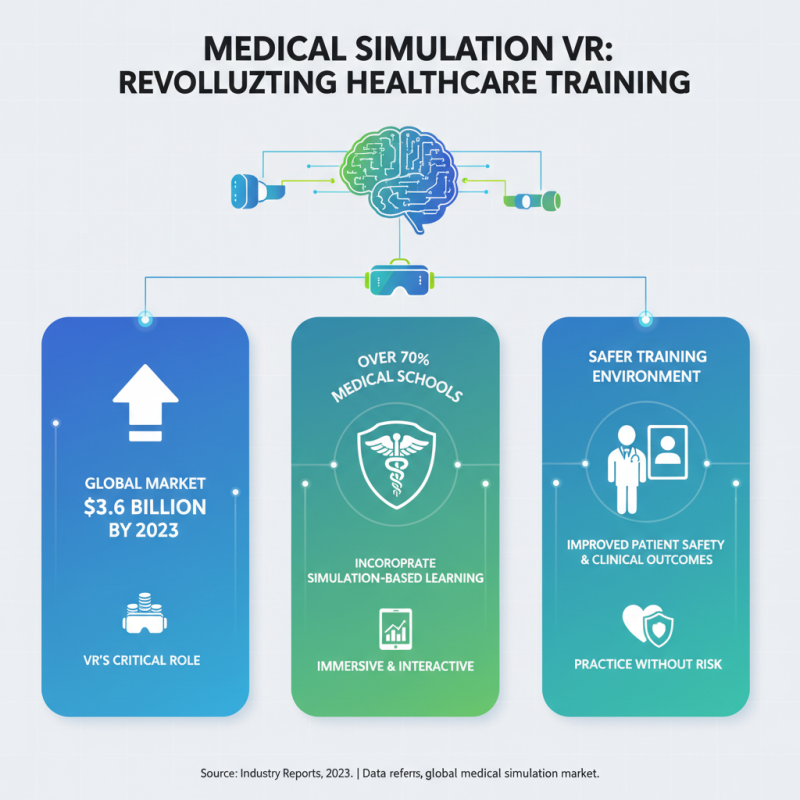
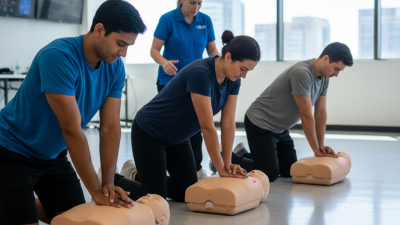
The current state of medical simulation VR technologies highlights significant advancements that are revolutionizing healthcare education and training. As of 2023, the global market for medical simulation is projected to reach approximately $3.6 billion, with VR technology playing an increasingly critical role. Reports indicate that over 70% of medical schools have incorporated simulation-based learning into their curriculums, underscoring the shift towards more immersive and interactive training methods. Such technologies enable trainees to practice procedures in a safe, controlled environment, ultimately improving patient safety and clinical outcomes.
Tips: When considering VR technologies for medical training, look for platforms that offer customizable scenarios. This adaptability allows educators to tailor simulations to specific learning objectives, enhancing the effectiveness of training. Additionally, ensure that the VR solution provides realistic haptic feedback, as studies show that tactile sensations significantly improve skill retention.
As more healthcare professionals recognize the benefits of VR simulations, the gap between traditional training methods and innovative technology continues to narrow. A recent survey revealed that 85% of healthcare professionals believe VR simulations enhance their confidence in performing procedures. This suggests a promising trajectory towards more widespread adoption and integration of VR technologies in medical education and practice, paving the way for a more skilled workforce by 2025.
Key Innovations in VR for Medical Training
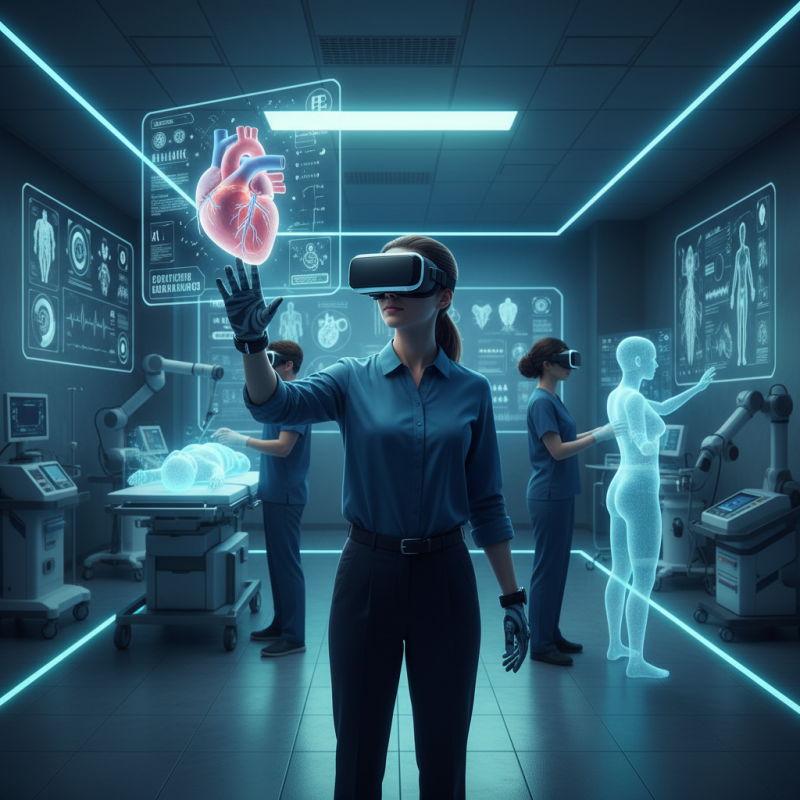
The realm of virtual reality (VR) is undergoing a profound transformation in medical training, driven by remarkable innovations that promise to enhance learning experiences for healthcare professionals. One key area of development is the integration of immersive simulations that replicate real-life medical scenarios. These advanced simulations enable students and practitioners to engage in hands-on practice, honing their skills in a safe environment. By allowing learners to make decisions and observe the consequences of their actions, this technology enhances critical thinking and prepares them for the complexities of patient care.
Additionally, artificial intelligence (AI) is playing a pivotal role in personalizing medical training through VR. By analyzing user performance and adapting scenarios accordingly, AI-driven systems can provide tailored feedback and challenges that cater to individual learning curves. This level of customization not only fosters a deeper understanding of medical procedures but also builds confidence in learners as they progress through increasingly complex simulations. As these technologies evolve, the potential for creating robust training environments will revolutionize how we prepare the next generation of healthcare professionals.
Future Trends in VR Simulation Technology for Healthcare
As healthcare continues to evolve, medical simulation technologies are poised to transform how training and education are delivered to professionals in the field. By 2025, it is projected that the global market for virtual reality (VR) in healthcare will exceed $3.8 billion, growing at a compound annual growth rate (CAGR) of over 30% from 2020 to 2025. This surge is driven by advancements in VR technology that enable more realistic and engaging training scenarios for medical practitioners, promoting better retention of knowledge and skills.
One of the key trends in VR simulation technology is the integration of artificial intelligence (AI) to create adaptive learning experiences. As reported by the Healthcare Information and Management Systems Society (HIMSS), leveraging AI algorithms can tailor training exercises based on individual performance, enhancing the learning curve for healthcare students and professionals alike. Additionally, the incorporation of haptic feedback mechanisms into VR simulations is expected to significantly improve the tactile experience, enabling users to practice surgical techniques and other procedural skills with greater precision.
Moreover, the emphasis on interprofessional education within healthcare training is expected to rise, allowing diverse medical teams to collaborate in VR environments. According to a recent report by the Journal of Medical Internet Research, simulations that facilitate teamwork among various healthcare professionals can improve communication and decision-making skills in high-pressure situations. As these technologies continue to develop, they will reshape not only the educational landscape but also enhance patient safety and care quality in real-world healthcare settings.
Top Medical Simulation VR Technologies to Watch in 2025
This chart illustrates the projected adoption rates of various VR simulation technologies in healthcare by 2025. The data indicates a strong emphasis on haptic feedback and realistic training scenarios, highlighting the trends that are shaping the future of medical training and simulation.
Challenges Facing Medical VR Simulation Development
The development of medical VR simulation technologies is confronted with several significant challenges that may impact their widespread adoption in the healthcare sector. One of the foremost issues is the high cost of VR systems and the required infrastructure. Many medical institutions may find it difficult to allocate funds for advanced technologies, especially in regions with limited budgets. This financial barrier can hinder the integration of VR simulations into medical training programs, despite their potential to enhance learning outcomes for healthcare professionals.
Another critical challenge is the need for standardized content and assessment methods within VR simulations. Currently, the development of VR training modules is often fragmented, resulting in inconsistencies in educational quality and user experience. This lack of standardization can lead to variability in training effectiveness, making it hard for institutions to evaluate and compare different VR solutions. Additionally, the need for ongoing updates and maintenance of VR content to keep pace with advancements in medical knowledge presents further logistical hurdles for developers and educators alike. Addressing these challenges is crucial for improving the efficacy and accessibility of medical VR simulation technologies by 2025.
Top Medical Simulation VR Technologies to Watch in 2025 - Challenges Facing Medical VR Simulation Development
| Technology |
Application |
Challenges |
Projected Growth |
| Immersive Surgery Simulators |
Surgical training and practice |
High development costs, technology accessibility |
20% CAGR by 2025 |
| VR-based Patient Interaction |
Patient assessment and consultation |
User data privacy concerns |
15% CAGR by 2025 |
| VR for Medical Education |
Education for medical students |
Integration into existing curricula |
22% CAGR by 2025 |
| Anatomy Visualization Tools |
Anatomical studies |
Content accuracy and updates |
18% CAGR by 2025 |
| Crisis Resource Management Training |
Emergency response simulations |
Realism vs. ethical considerations |
25% CAGR by 2025 |
Potential Impact of VR on Medical Education and Patient Care
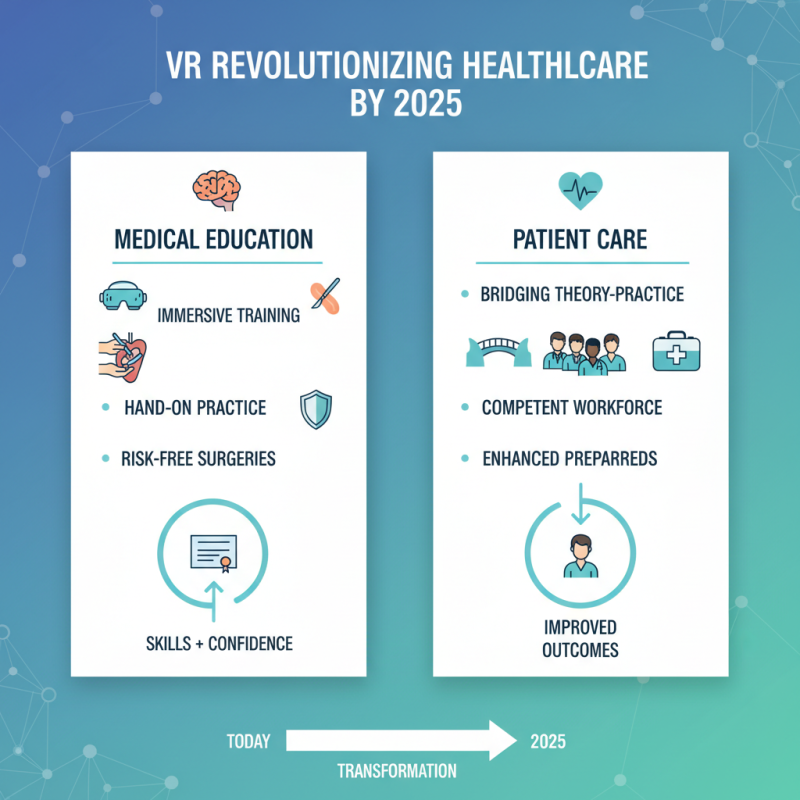
The potential impact of virtual reality (VR) on medical education and patient care is poised to revolutionize the healthcare landscape by 2025. One of the most significant advantages of employing VR in medical training is the ability to create immersive, hands-on experiences that traditional training methods cannot replicate. Medical students and professionals can practice complex surgical procedures in a risk-free environment, enhancing their skills and confidence before they encounter real-life scenarios. By simulating intricate medical situations, VR can bridge the gap between theory and practice, leading to a more competent and prepared healthcare workforce.
Furthermore, VR technology can play a crucial role in patient care by providing innovative therapeutic options. For instance, VR can assist in pain management and rehabilitation by offering engaging and distraction-oriented experiences during treatments. Patients can immerse themselves in calming or entertaining environments, reducing anxiety and discomfort associated with medical procedures. Additionally, VR has the potential to enhance patient understanding of their conditions through interactive simulations, thereby improving adherence to treatment plans and overall health outcomes. As these technologies continue to evolve, their integration into both medical education and patient care will facilitate a more effective and empathetic approach to health management, ultimately contributing to better patient experiences.