What Is Immersive Training and Why Does It Matter?
Immersive Training places learners inside realistic environments where decisions have visible consequences. It may use virtual reality, augmented reality, simulation rooms, or carefully designed role-play. Instead of only reading procedures, participants practise them with movement, pressure, and feedback. A technician can inspect a simulated machine, hear an unusual alarm, and choose a response before facing a real breakdown. A nurse can rehearse communication during a difficult handover without risking patient safety. These experiences make abstract knowledge more physical and easier to remember.
Its value depends on thoughtful design, not impressive technology alone. Effective programs connect scenarios to job duties, measurable competencies, and feedback from qualified instructors. They also record performance, identify repeated errors, and allow learners to practise again. That matters. Evidence from simulation-based education supports improved confidence and practical skill, although results vary across industries and study designs. Immersive Training is not automatically superior to classroom teaching. Some learners experience discomfort, distraction, or motion sickness, while others need more personal guidance. Technology can also reproduce weak assumptions if subject experts are excluded from development. This is where professional judgement matters. A realistic scene may feel convincing, yet still teach the wrong lesson. Organizations should test scenarios with experienced practitioners, protect learner data, and review outcomes over time. The strongest approach combines immersion with clear instruction, human coaching, and honest evaluation. Its purpose is not to replace expertise. It is to help people build, test, and refine expertise before real-world consequences arrive.
What Is Immersive Training?
Immersive training places learners inside a realistic, interactive environment instead of asking them to read about a task. It may use virtual reality, augmented elements, simulation rooms, or responsive digital scenarios. Learners practice decisions, movements, and communication while the system records meaningful actions. In a safety drill, a trainee might inspect a noisy control panel, identify a warning light, and choose a response without facing real-world consequences. It feels active. Not theatrical.
Effective immersive training is built around a measurable skill, not impressive technology. An instructional specialist defines the objective, then creates realistic cues, time pressure, and feedback. Learners might repeat a difficult conversation, adjust equipment settings, or respond to changing conditions. Immediate feedback explains what happened and why. This matters because memory can strengthen when practice includes consequences and correction. In my experience, learners often remember a near mistake better than a perfect attempt. That discomfort can be useful.
Reliable programs also test whether performance improves after the simulation ends. Scores, observation checklists, and follow-up assessments provide stronger evidence than excitement alone. Access requires careful attention, too. Motion discomfort, limited space, language, and physical differences can affect participation. Immersion is not automatically learning. Some scenarios still feel artificial, and poorly timed feedback may distract people. Designers should review learner data, invite criticism, and revise the experience repeatedly. The unfinished parts matter.
How Immersive Training Works
What Is Immersive Training and Why Does It Matter?
How Immersive Training Works
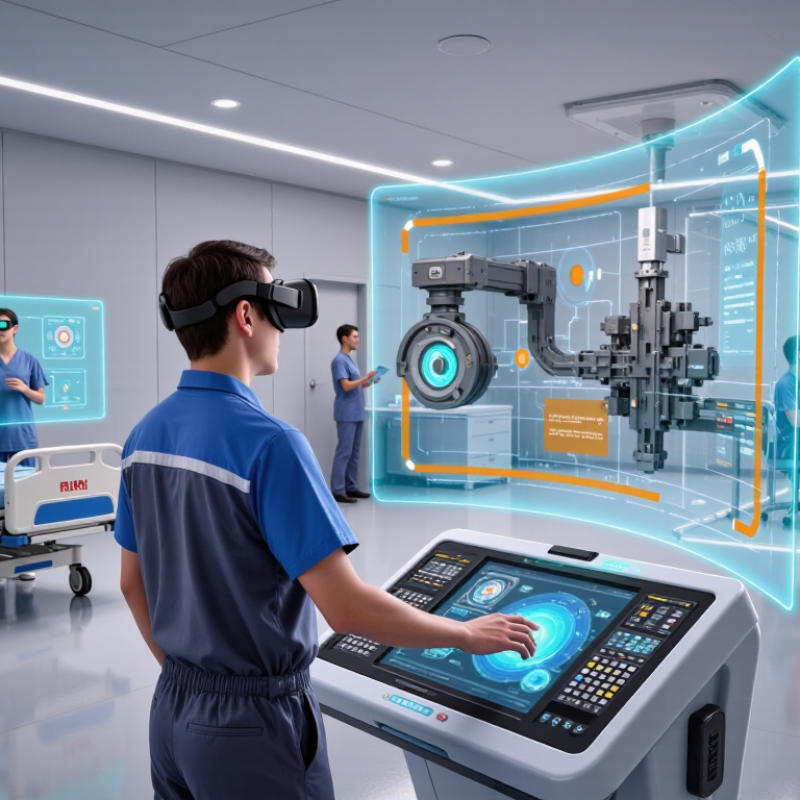
Immersive training places learners inside realistic situations, rather than asking them to study instructions alone. A simulated workplace, clinic, or emergency scene can recreate pressure, movement, and consequences safely. Learners interact with digital objects, make decisions, and receive feedback immediately. The system may track timing, accuracy, communication, and repeated mistakes.
The training usually follows a simple cycle: brief the learner, enter the simulation, review the performance, and practise again. A skilled facilitator remains important. Technology can show what happened, but people explain why it mattered. In my experience, learners remember a warning better after seeing its effect on screen. Still, immersion is not magic. Poorly designed scenarios can distract users or create false confidence. Results should be checked against practical assessments and real workplace standards.
Tips: Keep each scenario focused. Use realistic sounds, lighting, and equipment. Let learners pause and ask questions. Review mistakes without embarrassment. Include accessible controls and clear instructions. Collect feedback after every session, even when it feels inconvenient. Small design flaws often reveal larger learning problems. Protect personal performance data, and explain how it will be used. Test the scenario with experienced professionals before wider delivery. That step is easy to skip. It should not be.
What Is Immersive Training and Why Does It Matter?
Immersive training uses virtual environments, realistic scenarios, active decision-making, and immediate feedback to help learners practise skills safely and repeatedly.
How to read this chart: Classroom instruction is set as the baseline index of 1.0. A higher value represents a reported relative advantage for immersive virtual reality training in completion speed, learner focus, or emotional connection. These figures are study findings rather than universal guarantees.
Source: Reported results from a 2020 workplace virtual reality training study.
Key Technologies and Learning Environments
Immersive training uses digital environments to make practice feel immediate and realistic. Virtual reality can place learners inside a simulated workshop, clinic, or emergency response room. Augmented reality adds instructions to physical equipment through a visual overlay. Spatial audio can signal movement behind a learner. Haptic feedback can make a control feel resistant. These details support muscle memory, not just theoretical understanding.
The learning environment matters as much as the technology. A quiet headset session suits focused procedures, while a shared simulation room supports communication and decision-making. Strong programs connect immersive activities with expert coaching, clear objectives, and measurable assessments. Experience shows that realism alone does not guarantee learning. My first simulation felt impressive but included too many visual effects. Learners remembered the graphics, not the procedure. That mistake changed the design.
Tips: Start with one practical skill. Keep instructions visible but brief. Test accessibility before delivery. Offer seated and non-headset options when possible. Record performance data carefully, and explain how it will be used. Train facilitators to pause the simulation and ask useful questions. Allow repeated practice without embarrassment. Some learners may need more time. That is normal. Review errors with evidence, not assumptions, and update the environment after observing real sessions.
Where Immersive Training Is Applied
Immersive training places learners inside realistic, controlled situations. It is applied where mistakes are costly, dangerous, or difficult to repeat. In healthcare, trainees can practise emergency procedures with virtual patients. In manufacturing, workers can rehearse equipment checks beside a simulated production line. Aviation, logistics, construction, and public safety use similar scenarios for decision-making and emergency response.
The value is measurable. The World Economic Forum’s Future of Jobs Report 2023 found that 44% of workers’ skills may be disrupted within five years. It also reported that six in ten workers will need training before 2027. Immersive methods can support that urgent need. A 2020 global VR learning study found that learners completed training four times faster than classroom learners. They also reported 275% greater confidence after practice. Confidence is not competence, though.
That distinction matters. Effective programmes still need skilled instructors, clear assessments, and accessible alternatives. A headset cannot correct a poorly designed lesson. In a warehouse simulation, learners should identify a blocked exit, hear an alarm, and choose a safe route. The system should record timing, errors, and repeated hesitation. Some learners may feel discomfort or struggle with unfamiliar equipment. That weakness should shape the design, not be ignored. Immersive training works best when practice reflects real tasks, workplace risks, and honest performance feedback.
Benefits, Challenges, and Future Development
What Is Immersive Training and Why Does It Matter?
Immersive training uses virtual, augmented, or simulated environments for practice. Trainees can rehearse a difficult task without risking equipment, safety, or customer trust. A 2020 enterprise virtual reality study found that learners completed training up to four times faster. They also reported 275% greater confidence than classroom learners. These figures are promising, but they should not become marketing shortcuts. Confidence does not always prove competence.
The benefits become clearer when training mirrors real pressure. A technician can inspect a virtual machine while alarms flash and instructions compete for attention. A manager can practice a sensitive conversation and review recorded decisions afterward. The World Economic Forum’s Future of Jobs Report 2025 estimates that 39% of workers’ core skills may change by 2030. Immersive practice can support that transition through repeatable, measurable exercises. It can also expose weak judgment before mistakes reach the workplace.
Challenges remain. Headsets may feel heavy, motion sickness can interrupt learning, and realistic simulations require careful design. Some employees may also resist technology that feels artificial. Accessibility needs attention, including adjustable text, audio alternatives, and seated modes. Costs are falling, yet content development remains expensive. Future systems should connect simulations with coaching, assessment, and real workplace data. That connection must protect privacy. More automation is not automatically better. A polished simulation can still teach the wrong behavior if subject experts review it too late.