Leave Your Message

2026 How to Choose a Medical Manikin?

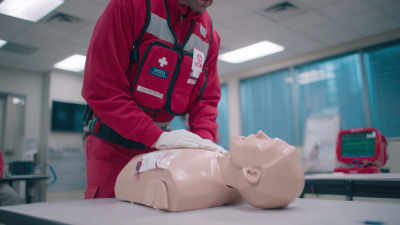
Choosing a Medical Manikin in 2026 requires more than comparing prices, realism, or brand reputation. Training objectives must guide the decision. A trauma center may need a full-body manikin with bleeding control, airway access, and realistic chest movement. A nursing school may value durable skin, replaceable injection pads, and simple software. The right choice depends on who will use it, how often, and under which conditions.

Dr. David Gaba, a leading authority in healthcare simulation, wrote, “Simulation is a technique—not a technology.” This principle remains highly relevant. A sophisticated Medical Manikin cannot replace clear teaching goals, trained instructors, or thoughtful debriefing. It should support clinical reasoning, communication, and safe repetition. It should not become an expensive display model.

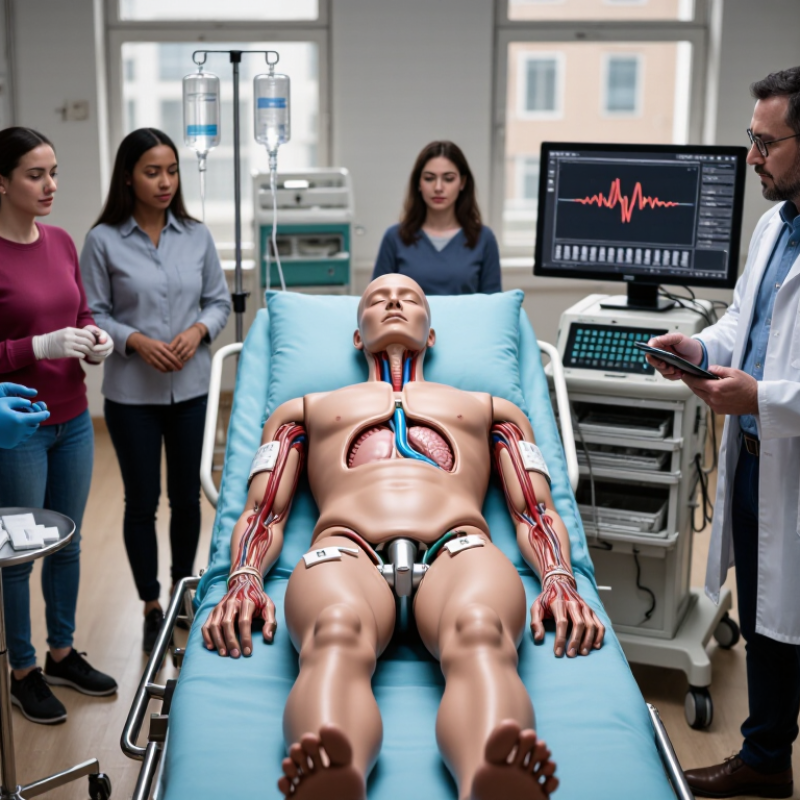
Look closely at the details. Can learners palpate pulses with gloved hands? Can instructors adjust vital signs during a stressful scenario? Are airway parts easy to clean and replace? Does the control system work reliably in a busy classroom? These questions expose practical differences that brochures often hide. No model is perfect. Some advanced systems feel impressively lifelike but require costly maintenance. Simpler models may provide better value and fewer technical interruptions.

A careful buyer should request a live demonstration, review warranty terms, and speak with current users. Evidence from real classrooms matters. The final decision should balance clinical realism, usability, durability, data security, and total ownership cost. Reflection is essential, because the most expensive Medical Manikin may not deliver the most effective learning.
2026 How to Choose a Medical Manikin?

Define the Training Goals and Intended Learners

Choosing a medical manikin should begin with the training goal, not the device’s appearance. A realistic face can impress learners, yet realism alone does not prove educational value. Clinical educators should define the target skill, performance standard, and expected decision-making level. Is the session for airway positioning, medication safety, emergency assessment, or team communication? Each goal requires different physical features, feedback options, and maintenance demands. Keep the outcome measurable. “Perform a complete assessment within eight minutes” is clearer than “understand assessment.”

The intended learners matter just as much. Beginners may need visible landmarks, simple controls, and repeated practice without embarrassment. Experienced clinicians may need changing vital signs, hidden complications, and time pressure. A nursing student and a paramedic trainee can face the same scenario differently. Their prior knowledge, scope of practice, and clinical setting should shape the case design. Ask instructors what errors occur most often. Ask learners what feels confusing. Their answers may challenge the original plan. Start small.

I have seen teams choose advanced features before identifying who will use them. The result was expensive equipment and shallow practice. That mistake is easy to repeat. Match the manikin’s complexity to the lesson, room, faculty time, and technical support. Check whether instructors can reset scenarios quickly and record performance consistently. Evidence from pilot sessions is more trustworthy than a polished demonstration. Run a small trial with real learners. Notice awkward pauses, unclear feedback, and skills the manikin cannot represent well. Some imperfections are useful; others expose a poor match. Revise the objectives before purchasing.
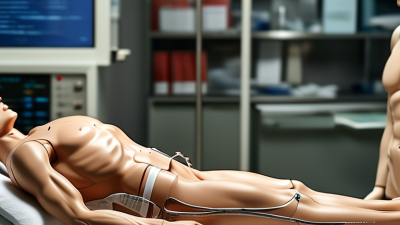

Match Manikin Features to Required Clinical Skills

2026 How to Choose a Medical Manikin?

Match Manikin Features to Required Clinical Skills

Choosing a medical manikin should begin with the skills learners must demonstrate. A basic torso may support chest compression practice, airway positioning, and bag-mask ventilation. It cannot reproduce every clinical decision. For catheterization, wound care, or childbirth training, select anatomy that matches the procedure. Realistic skin resistance and clear anatomical landmarks make practice more reliable.

Clinical educators should review the manikin’s feedback system carefully. Does it measure compression depth, rate, recoil, and ventilation volume? Can instructors observe performance without interrupting the scenario? Objective feedback supports fair assessment and helps learners correct small errors. A pulse, breath sound, or changing pupil response can also improve diagnostic reasoning. Useful detail matters.

I once saw learners focus on realistic sounds while missing poor hand placement. Realism is not the same as educational value. Choose features that serve the lesson, not impressive extras. Check cleaning instructions, replacement parts, software stability, and training support before purchase. A difficult maintenance process may reduce practice time. Test the manikin with actual instructors and learners, because a technically advanced model can still feel awkward in a busy skills lab. A short trial reveals more than a brochure.

Compare Fidelity Levels, Materials, and Anatomical Accuracy

Choosing a medical manikin in 2026 means matching fidelity to the learning objective, not buying the most lifelike torso. Low-fidelity models suit landmark identification, basic injection practice, and repeated drills. They are cheaper, lighter, and easier to clean. Medium-fidelity systems add palpable pulses, airway changes, or timed vital signs. High-fidelity manikins support deterioration training, team communication, and clinical judgment. Yet realism can distract learners. It still happens.

Material choice affects tactile accuracy, durability, and infection-control workflow. Silicone-like skin can reproduce needle resistance and tissue movement, but it may tear under frequent puncture. Thermoplastic elastomers often tolerate heavy training, although their surface feel can seem less natural. Check replacement parts, cleaning compatibility, and storage demands. The World Health Organization’s Global Patient Safety Report 2024 reports that about one in ten patients experiences harm in healthcare, with over half considered preventable. Training equipment must support safer practice, not merely look realistic.

Anatomical accuracy should be tested by palpation, not photographs. Ask educators to locate ribs, the cricothyroid membrane, sternum, injection landmarks, and vascular access points. Compare adult, pediatric, and varied body types when required. The 2023 Healthcare Simulation Standards emphasize measurable objectives, prebriefing, and debriefing. A realistic chest cannot repair weak instruction. A 2014 National Council of State Boards of Nursing study found that high-quality simulation could replace up to 50% of clinical hours in prelicensure nursing education. However, faculty preparation affected the result. That limitation deserves attention. A perfect airway model may still teach poor decisions.

2026 How to Choose a Medical Manikin? - Compare Fidelity Levels, Materials, and Anatomical Accuracy

This comparison uses a practical 1–5 planning scale. Low-fidelity manikins generally prioritize affordability and repeated basic skills, while medium- and high-fidelity systems provide more realistic materials, anatomy, physiology, and clinical feedback. Silicone and elastomer components usually provide more lifelike tissue response than rigid plastic, but they can require greater maintenance.

Evaluate Technology, Compatibility, Maintenance, and Durability

How to Choose a Medical Manikin in 2026

A medical manikin should match learning objectives, not merely display advanced features. In a skills lab, check airway resistance, chest movement, pulse points, and response latency during repeated scenarios. WHO reports that approximately one in ten patients experiences harm in healthcare. Reliable simulation can help teams rehearse safer decisions before clinical exposure.

Technology must also fit your existing environment. Confirm compatibility with the learning management system, audiovisual recording, tablets, and electronic documentation tools. INACSL’s 2024 Healthcare Simulation Standards emphasize measurable objectives, psychological safety, and structured debriefing. A realistic face means little if instructors cannot review performance data. Wireless control is convenient, but unstable connectivity can interrupt a critical scenario. Test it in the actual room.

Maintenance often decides long-term value. Request cleaning instructions, software update procedures, battery specifications, and replacement-part availability. Inspect seams, airway components, skin surfaces, and joints after intensive use. The 2023 AHRQ patient-safety guidance supports standardized training and performance feedback, but equipment alone cannot create competence. I would not assume a higher purchase price guarantees durability. Ask for documented cycle testing, repair histories, and service response times. Keep a simple log after every session. Small failures become expensive surprises.

2026 How to Choose a Medical Manikin? - Evaluate Technology, Compatibility, Maintenance, and Durability

Evaluation Dimension What to Verify Basic Task Manikin Intermediate Manikin High-Fidelity Manikin Selection Guidance
Clinical Skills Coverage Confirm whether the model supports the procedures required by the curriculum and competency checklist. Basic positioning, patient handling, CPR practice, airway positioning, and selected injection or dressing procedures. Expanded airway management, vascular access, medication administration, wound care, and assessment practice. Integrated assessment, resuscitation, advanced airway procedures, physiological responses, and scenario-based training. Choose the lowest capability level that fully covers current learning outcomes and planned courses.
Technology and Feedback Check for measurable feedback, recording functions, instructor controls, and the ability to repeat scenarios consistently. Mostly physical or visual feedback; limited or no electronic performance data. May provide electronic measurement for selected skills, such as compression depth, rate, ventilation, or procedural accuracy. Usually supports real-time physiological changes, scenario control, performance recording, and structured debriefing. Prioritize measurable feedback when objective assessment and documentation are required.
Software and Connectivity Verify operating-system requirements, network access, updates, user permissions, data export, and offline operation. Often operates without dedicated software and has minimal connectivity requirements. May require a local application, tablet, or computer for selected measurements and instructor control. Commonly requires dedicated control software, compatible hardware, regular updates, and a defined network or offline workflow. Select technology that matches the institution’s IT support, cybersecurity rules, and classroom setup.
Compatibility and Interoperability Test compatibility with existing monitors, defibrillators, ventilators, airway devices, training consumables, and simulation software. Generally compatible with standard training equipment used for basic procedures. May support selected clinical devices through physical interfaces, adapters, or manufacturer-specified accessories. Can support multiple clinical devices, but compatibility may depend on approved interfaces, software configuration, and calibration. Conduct a pre-purchase equipment test; physical fit does not guarantee electronic or software compatibility.
Maintenance Requirements Review cleaning instructions, replaceable parts, consumables, calibration intervals, battery care, and service procedures. Usually requires routine surface cleaning and replacement of high-wear parts such as skin pads, injection sites, or airways. Requires cleaning plus periodic inspection of sensors, tubing, valves, electronic modules, and replaceable procedure parts. Requires scheduled software maintenance, sensor checks, calibration, battery management, fluid-system care, and trained technical support. Estimate labor, consumables, downtime, and service availability—not only the purchase price.
Durability and Repairability Assess resistance to repeated compression, transfers, positioning, fluid exposure, cleaning agents, and storage movement. Typically robust for repetitive fundamental-skills practice; damage is often limited to replaceable external parts. More internal components can increase repair needs after intensive use or incorrect procedures. Provides advanced functions but contains more sensors, actuators, electronics, and fluid systems that require controlled handling. Ask for spare-part availability, repair procedures, expected service life, and local technical response times.
Cleaning and Infection-Control Workflow Confirm approved disinfectants, cleaning steps, drying requirements, cross-contamination controls, and compatibility with simulated fluids. Usually supports straightforward wipe-clean procedures and simple replacement of contaminated external parts. May include removable airways, injection modules, wound components, or fluid pathways requiring additional cleaning. May require detailed cleaning of internal passages, reservoirs, valves, sensors, and removable anatomical components. Choose a design that can be cleaned reliably within the time available between training sessions.
Portability and Storage Measure weight, dimensions, transport cases, lifting requirements, storage space, and setup time. Usually easier to move, store, and prepare for frequent classroom use. Requires designated storage and may need one or more staff members for safe movement. Often needs a dedicated room, stable power, protected equipment storage, and controlled transport. Match the manikin’s physical requirements to room layout, door access, flooring, and staffing levels.
Training Capacity and Cost of Ownership Calculate learners per session, setup time, consumables, service, software, replacement parts, and expected utilization. Lower acquisition and operating complexity; suitable when many learners need repeated basic practice. Moderate investment with broader skills coverage and moderate technical support needs. Higher investment and operating requirements; best justified by frequent advanced simulation use. Compare total cost over the planned service period rather than comparing purchase prices alone.
Recommended Use Case Relate the manikin to the intended learners, course level, scenario complexity, and assessment method. Fundamental nursing skills, CPR practice, patient positioning, and introductory clinical education. Routine clinical skills, structured competency assessment, and intermediate emergency-care training. Interprofessional simulation, advanced emergency response, critical care scenarios, and complex team communication. Choose based on learning objectives, instructor capability, facility readiness, and long-term utilization.
Practical evaluation rule: Before purchase, request a hands-on demonstration using the institution’s existing clinical equipment, cleaning products, software environment, storage area, and typical training scenarios.

Assess Safety, Budget, Support, and Long-Term Value

2026 How to Choose a Medical Manikin?

Choosing a medical manikin in 2026 requires more than checking realism or purchase price. Safety should guide every comparison. Inspect airway materials, skin surfaces, electrical parts, and cleaning instructions. Training centers need clear maintenance records and replaceable components. A realistic chest rise means little if seams split after repeated disinfection. Ask whether the manikin supports current clinical protocols. Consult educators, infection-control staff, and experienced technicians before approval. Their practical observations often reveal problems hidden during demonstrations.

Budget planning should include delivery, accessories, software, repairs, storage, and instructor training. A lower initial price can become expensive when essential parts are fragile or difficult to replace. Request a written service policy, response times, warranty limits, and parts availability. Test the interface with actual instructors, not only procurement staff. Support quality matters during a failed session. Still, no forecast is perfect. Usage may change, and the first estimate may be wrong. Leave room for replacement cycles and unexpected downtime.

Tips:

Create a three-year cost sheet. Record cleaning time, consumable use, repair frequency, and learner capacity. Compare cost per training hour, not cost per unit. Keep a small contingency budget. Long-term value also depends on upgrades, storage space, and staff confidence. A manikin that supports varied scenarios may serve more learners over time. Small details matter. Reassess performance every six months, even when the equipment appears reliable.