How to Choose the Right CPR Training Manikins for Your Needs?
Choosing the right CPR training manikins can be a challenging task. It is essential to consider the specific needs of your training program. Not all manikins are created equal, and the right choice can significantly impact the learning experience. Look for manikins that closely resemble human anatomy. Realistic features enhance the training quality.
Quality CPR training manikins should offer reliable feedback during practice. This feedback can highlight areas needing improvement. Different models come with various price points and features. Evaluating these factors is crucial. It's easy to overlook some details, but these details matter for effective training.
Reflecting on your training requirements is vital. Understand the skills you want participants to develop. Quality over quantity often leads to better results. Selecting training manikins that align with your goals is key. Investing time in research ensures a more successful CPR training experience for both instructors and participants.
Understanding the Different Types of CPR Training Manikins
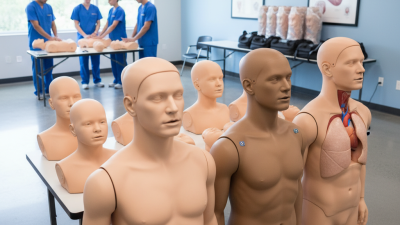
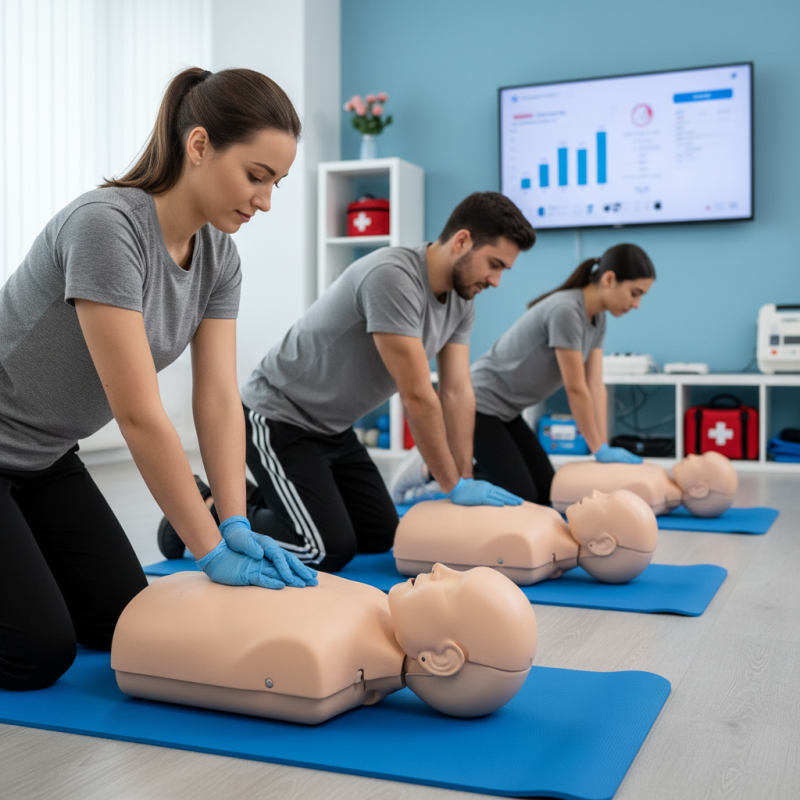
When selecting CPR training manikins, understanding the various types available is crucial. There are adult, child, and infant manikins, each designed to simulate realistic scenarios. Adult manikins focus on larger torso sizes and are ideal for training adults. Child and infant versions are smaller, teaching proper techniques for younger populations. The diversity of sizes enhances learning and prepares trainees for real-life applications.
Tips: Choose a manikin that closely resembles the target demographic. This ensures that participants practice with appropriate sizes. Consider features like anatomical landmarks that improve the realism of CPR training. Some manikins also have feedback mechanisms that guide users in performing high-quality compressions.
Another important aspect is durability. Frequent use can wear out manikins quickly. Look for models that can withstand repeated training sessions, especially in rigorous environments like schools and hospitals. Nevertheless, reassess your choice occasionally. What worked last year may not suit evolving training demands. Regularly gather feedback from students to ensure you meet their needs effectively.
Evaluating Realism: Factors to Consider in Manikin Design
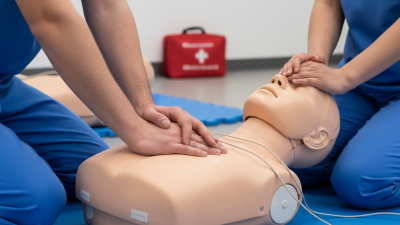
When choosing CPR training manikins, realism is a critical factor. Look for manikins that closely mimic human anatomy. This includes realistic chest rise and compression response. A good manikin should provide feedback on compression depth and rate. Such features help trainees learn the nuances of effective CPR.
Consider the materials used in manikin design. For instance, skin-like textures can enhance the experience. Some manikins offer adjustable features, allowing users to alter difficulty levels. This adaptability is valuable during training sessions. Think about maintenance as well. Some manikins are easier to clean and maintain than others.
Realism aids retention but can also overwhelm trainees. A highly realistic manikin might induce anxiety in some people. Finding a balance between realism and comfort is essential. Reflecting on personal experiences during training can lead to better outcomes. Continuous improvement in CPR techniques relies on effective training tools, making thoughtful choices essential.
Factors to Consider in Choosing CPR Training Manikins
Assessing the Budget: Cost-Effective Manikin Options
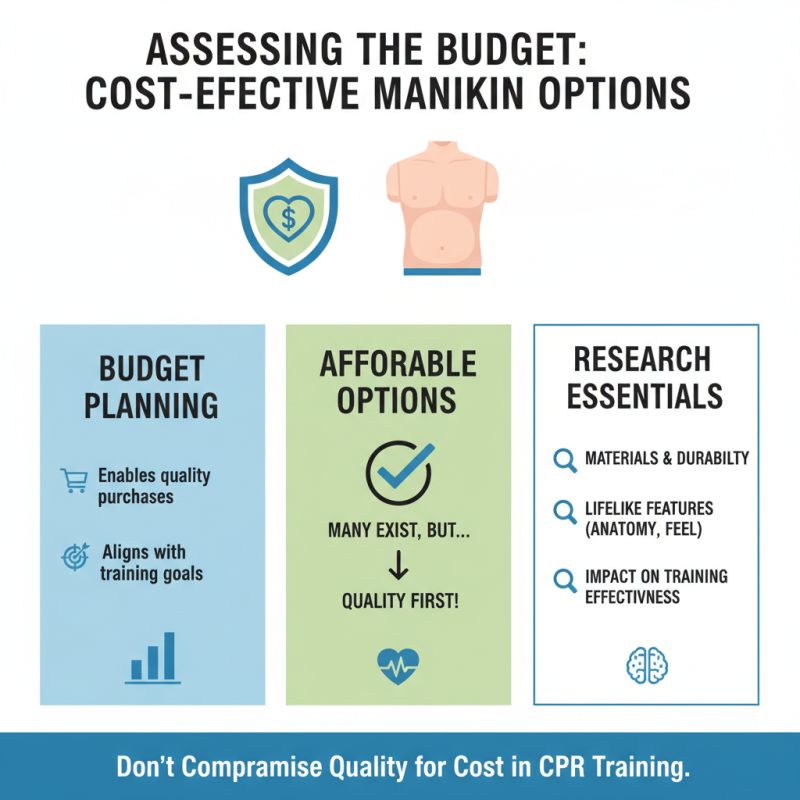
When considering CPR training manikins, budget is often a significant factor. A well-planned budget enables the purchase of quality manikins that align with training goals. Many affordable options exist, but cost should not compromise quality. Research into materials, durability, and lifelike features is essential. Some cheaper models may lack realistic anatomy or feel, impacting training effectiveness.
It’s crucial to balance cost with functionality. Low-cost manikins might save money upfront, but they could lead to challenges during training. For instance, a manikin that doesn't simulate realistic chest resistance may hinder learners. Exploring bulk purchase options can yield discounts, helping to manage costs better.
Consider exploring second-hand options as well. They can often be found in good condition at lower prices. However, always inspect them thoroughly before committing. Your budget should also account for additional accessories. These can enhance the training experience but may add to the overall cost. A small investment in a quality manikin can yield significant long-term benefits. Ensuring reliable performance during CPR training is vital for building confidence in real-life situations.
Identifying Specific Training Needs: Pediatric vs. Adult Manikins
Choosing the right CPR training manikins is crucial for effective learning. When it comes to pediatric versus adult manikins, understanding your specific training needs is essential.
Pediatric manikins are designed for learners to practice on infants and children. These manikins often come with unique features that replicate smaller airways and heart locations. This ensures that trainees learn the right techniques for younger patients.
Adult manikins, on the other hand, are more robust and represent the anatomy of adults. They usually allow for deeper chest compressions and proper mouth-to-mouth ventilations. When selecting manikins, consider factors like size, weight, and the realistic feel of the chest. Trained instructors often emphasize that using the wrong type of manikin can lead to mistakes in real-life situations.
Reflection on past training experiences can guide future purchases and ensure effective learning outcomes. Some may find that training exclusively with adult manikins does not equip them to handle emergencies involving children. Practitioners must face this challenge head-on. Identifying these needs early can significantly enhance an instructor's ability to impart essential skills.
Everyone involved in CPR training should strive for clarity in their selection process to improve overall preparedness for emergencies.
Examining Features: Technology and Feedback Mechanisms in Manikins
When selecting CPR training manikins, the technology and feedback mechanisms are vital. Modern manikins often include advanced features like real-time feedback on compression depth and rate. A study shows that using feedback mechanisms improves skill retention by over 30%. This data underscores the importance of selecting manikins equipped with technology that enhances the learning experience.
Another key consideration is usability. Some manikins provide visual cues, guiding users on proper technique. This feature is essential for trainees to perceive their performance accurately. A report from the American Heart Association indicates that effective feedback increases proficiency in CPR techniques. Despite these advancements, not all manikins offer equal quality or accuracy. Training organizations must critically assess their options to ensure they are investing in reliable tools.
It's important to recognize the limitations of available technology. While many manikins come with impressive features, they may not replicate realistic scenarios. This discrepancy can lead to gaps in training. An evaluation of various models reveals a range of functionalities, but few achieve perfect realism. Selecting the right manikin should balance between advanced features and realistic training experiences.