How to Choose the Best VR Training Platforms for Your Business?
In today's rapidly evolving business landscape, choosing the right VR training platforms is crucial. This selection can profoundly impact employee engagement and skill acquisition. With numerous platforms available, making an informed decision requires careful consideration of various factors.
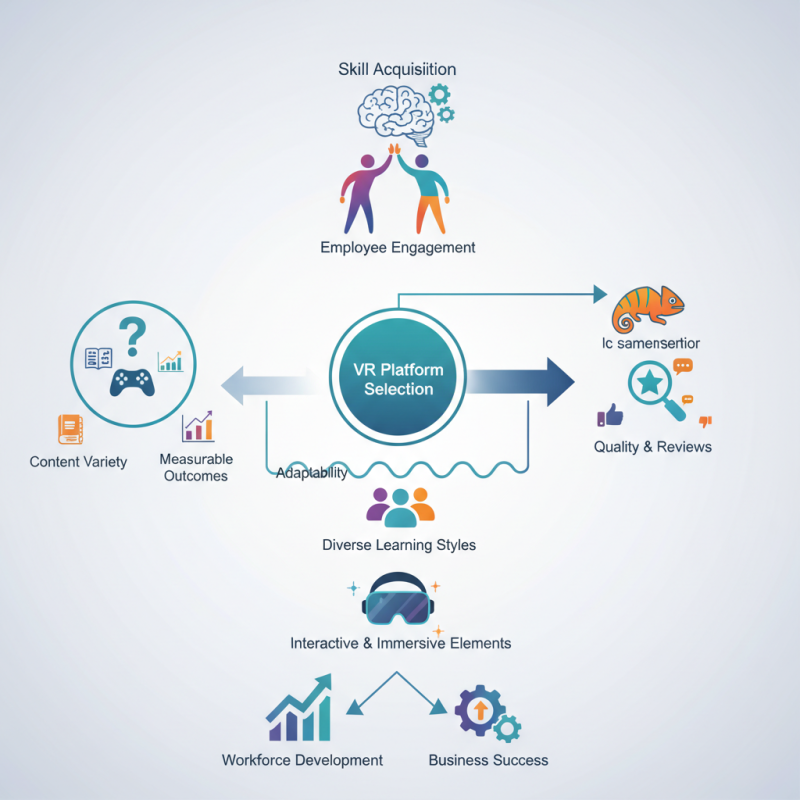
Many businesses overlook critical aspects when selecting VR training platforms. Content variety, ease of use, and measurable outcomes are essential. The training experience should cater to diverse learning styles, offering a blend of interactive and immersive elements. Companies should also assess the platform's adaptability to their specific training needs.
Moreover, not all VR training platforms deliver consistent quality. Some may promise innovative solutions but fall short in real-world applications. It is vital to research reviews and seek expert opinions. By understanding both the advantages and limitations, businesses can navigate the growing market. Ultimately, the right choice enhances workforce development and drives business success.
Understanding Your Business Needs for VR Training Platforms
Understanding your business needs is crucial when selecting a VR training platform. Identify your training objectives first. Are you aiming to enhance employee skills, improve safety, or streamline onboarding? Clear goals will guide your search.
Next, assess your target audience. Different teams may require specific training. Consider their experience and comfort with technology. Any platform should cater to diverse learning preferences. Evaluate the scenarios your employees will encounter during training. Realistic simulations can significantly enhance learning.
Budget is another vital aspect. VR platforms can vary widely in cost. Examine what features you genuinely need versus what would be nice to have. It's essential to balance quality with affordability. Also, get feedback from employees after training. Continuous improvement is necessary to refine your training approach.
Comparing Costs and Budgeting for VR Training Platforms
When considering VR training platforms, budgeting is crucial. Costs can vary widely. Initial setup fees, hardware expenses, and ongoing subscription costs all add up. Some platforms may look affordable at first glance but can become expensive over time. It's essential to examine pricing models in detail.
Investing in VR training requires careful planning. Consider your workforce’s size and training needs. A platform that’s cost-effective for a small team might not be as suitable for a larger organization. Investigate if the platform offers scalable options. They can be more budget-friendly in the long run.
Assessing potential benefits versus costs is vital. What kind of training are you providing? Some industries might require more immersive experiences, leading to higher expenses. Consider if your employees will truly engage with the content. A platform may promise a lot but deliver little. Conduct thorough research and gather feedback from users. This process helps in making an informed decision that aligns with your budget and training objectives.
Cost Comparison of Various VR Training Platforms
Identifying Support and Resources Offered by VR Providers
When selecting a Virtual Reality (VR) training platform, understanding the support and resources provided by VR providers is crucial. Many businesses underestimate the importance of ongoing support in their VR training journey. According to a recent industry report, 70% of companies that utilize VR for training cite the importance of comprehensive technical support. This support can include troubleshooting assistance, frequent updates, and user guides.
Another vital aspect is the availability of educational resources. Effective training platforms often offer tutorials, webinars, and community forums. These resources can enhance user engagement and help teams maximize the effectiveness of VR training. Reports show that organizations leveraging such resources see a 40% improvement in knowledge retention compared to those without. This statistic highlights the necessity of a robust educational framework within the chosen platform.
The integration of analytics tools also plays a significant role. These tools help businesses track user performance and measure training outcomes. Companies should inquire about the analytics resources available. A lack of insight into training effectiveness can lead to ineffective training programs. Reflecting on these areas can highlight potential gaps in the training process, ensuring the chosen VR platform meets the specific needs of your business.
How to Choose the Best VR Training Platforms for Your Business? - Identifying Support and Resources Offered by VR Providers
| Feature |
Description |
Importance Level |
Availability |
| User Support |
Assistance available via chat, email, or phone during business hours. |
High |
24/7 |
| Technical Documentation |
Guidebooks and online resources that help users understand platform features. |
Medium |
Available |
| Training Resources |
Workshops, webinars, and tutorials to help users get the most out of the platform. |
High |
Scheduled Events |
| Customization Options |
Ability to tailor VR content and training modules to specific business needs. |
High |
Yes |
| Integration with Existing Systems |
Compatibility with other learning management systems or enterprise software. |
Medium |
Yes |
| Analytics and Reporting |
Tools for measuring user engagement, progress, and learning outcomes. |
High |
Available |