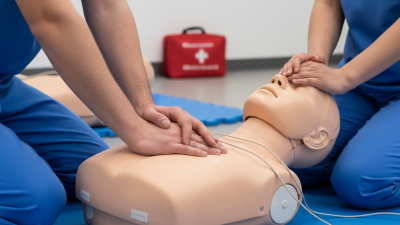
Choosing a CPR manikin is not a cosmetic decision. It shapes hand placement, compression depth, ventilation practice, and the feedback learners receive. The American Heart Association’s 2024 statistics update reports approximately 356,000 out-of-hospital cardiac arrests among adults in the United States each year. The International Liaison Committee on Resuscitation’s evidence reviews also emphasize high-quality CPR and feedback during training. These findings make model selection a practical safety concern, not merely a purchasing task.
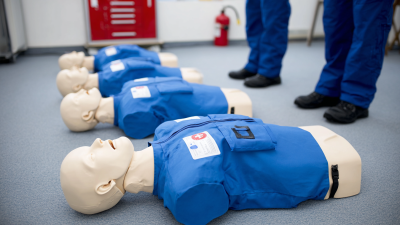
For global buyers, the right Dummy For Cpr depends on who will train, where sessions happen, and how often equipment must be cleaned or repaired. A compact torso may suit a crowded classroom. A full-body model can better demonstrate positioning and coordinated team practice. Look closely at compression feedback, airway features, replacement-part availability, and the clarity of the user manual. Small details matter. A loose valve or confusing indicator can interrupt a lesson.
This guide compares ten CPR dummy models using those everyday criteria, alongside published resuscitation guidance. One limitation deserves attention: no source articles or verifiable quotation from a named CPR-manikin industry expert were supplied. Rather than invent a quote, we focus on evidence and features buyers can check directly. Even careful comparisons have gaps. Product specifications change, and local support may be difficult to confirm before purchase. We recommend verifying current details with manufacturers before ordering.
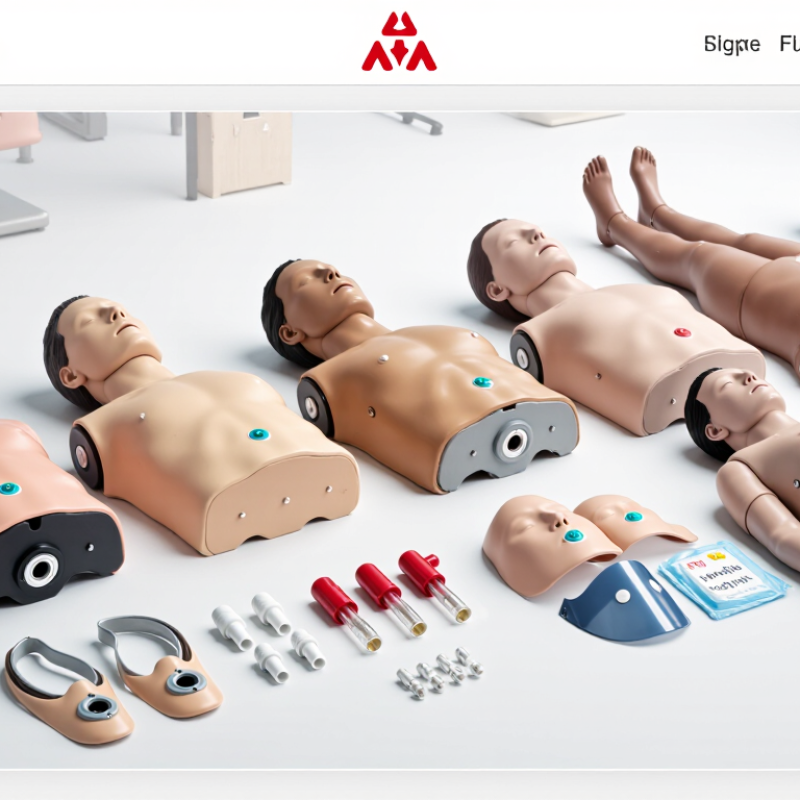
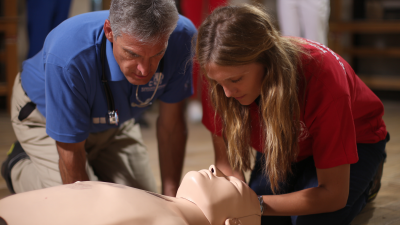
CPR manikins turn abstract guidance into physical practice. Trainees feel chest resistance, recoil, and ventilation pressure. This feedback matters because technique often changes under stress.
The American Heart Association’s Heart Disease and Stroke Statistics—2024 Update reports more than 356,000 out-of-hospital cardiac arrests annually in the United States.
Training equipment cannot remove that risk, but realistic repetition can improve readiness.
The best CPR manikin depends on the learner and training setting.
Adult models support standard workplace and community courses. Child and infant models teach different body proportions, hand positions, and compression depths. Airway-focused manikins help instructors demonstrate head tilt, jaw support, and ventilation concerns. Feedback-enabled models can display compression rate, depth, recoil, and hand placement.
The European Resuscitation Council Guidelines 2021 recommend feedback devices when they improve CPR performance during training.
Global buyers should examine durability, replacement parts, cleaning procedures, and language-neutral indicators. A compact torso model may suit mobile classes, while a full-body model offers more complete scenario practice. Reusable lungs and skin reduce operating waste, but they still require careful maintenance.
No manikin perfectly reproduces human anatomy.
That limitation is easy to forget. A low-cost model may teach rhythm well but provide weak airway realism. Certification labels also need verification, not assumption.
Procurement teams should compare measurable training functions, instructor experience, and local servicing capacity before choosing among the ten strongest model types.
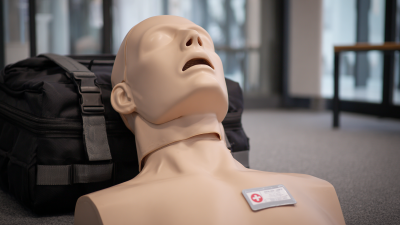
For global buyers, a CPR manikin is more than a training prop. It must suit local course requirements, learner experience, and the conditions of the classroom. Check whether the model provides clear feedback on compression depth, rate, and hand position. Feedback that is easy to see or hear helps instructors correct technique during practice. Simple matters.
Durability deserves close attention. Examine the chest skin, joints, airway parts, and face before purchase, and ask how replacement parts can be ordered. A low purchase price may be less attractive if a small tear leaves the manikin unusable for weeks. Shipping distance, storage needs, and cleaning instructions also affect long-term value. These details are easy to overlook.
Global buyers should confirm that manuals, training materials, and feedback indicators are understandable to local users. Consider whether the manikin supports the course format and learner group, including adult, child, or infant practice where needed.
Compare warranty terms, technical support, and delivery estimates in writing. Then test the model, if possible, with instructors who will use it daily. Their feedback may reveal awkward handling or unclear feedback.
One limitation: no specification sheet can fully predict how a manikin feels after repeated sessions. Read the fine print.
Choosing a CPR manikin is less about appearance than the skill it helps learners practise. An adult torso model is compact and useful for chest-compression drills. A full-body adult model adds realistic positioning and rescue-breathing practice. An infant model has a smaller chest and different compression points. A child model bridges the gap between infant and adult training. Feedback models show compression depth or rate, helping instructors spot mistakes that feel correct to the learner.
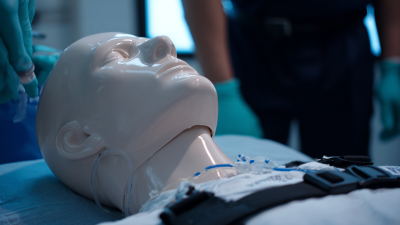
An airway-focused model supports ventilation practice and visible chest-rise checks. A choking-response model allows practice of obstruction-relief techniques. An AED-compatible model provides space for pad placement and device-training scenarios. A modular model can switch between age groups or components, though setup may take longer than expected. A multi-person training set lets a class rotate through stations. A portable, lightweight model suits mobile instruction, but it may offer fewer anatomical details. These distinctions matter. A feature list alone cannot show how durable a model feels after repeated sessions.
Tips: Match the model to learners’ age range, class size, and practice goals. Check whether replacement parts are available and whether cleaning instructions are clear. Try the feedback display before buying; small screens can be hard to read across a training room. Ask instructors to test compression resistance, too. Numbers help, but hands-on impressions matter.
Use these adult CPR targets to compare training manikins: compressions should be delivered at 100–120 per minute and to a depth of 5–6 cm. Choose a model that can help learners practise and assess these skills.
10 Best CPR Dummy Models for Global Buyers?
For global buyers, the best CPR dummy models should be judged by feedback, durability, and training compatibility—not appearance. The American Heart Association reported about 356,000 adult out-of-hospital cardiac arrests in the United States during 2022, with survival to hospital discharge near 10%. Reliable practice equipment matters. (AHA Heart Disease and Stroke Statistics—2024 Update)
Real-time feedback should show compression depth, rate, recoil, hand position, and ventilation volume. The 2020 AHA Guidelines state that audiovisual feedback can improve CPR performance. The 2021 European Resuscitation Council guidelines also support feedback tools, while warning that instructors remain essential. I prefer clear visual indicators and audible prompts. Fancy software is not always better. A dim screen can fail in a busy classroom.
Durability requires closer inspection. Buyers should check documented compression-cycle testing, replaceable lungs, washable skin, and reinforced joints. Adult, child, and infant settings should match local course requirements. Compatibility with AED trainers, tablets, and offline software is valuable for international classrooms. Electrical standards and language options also deserve attention. No ranking is perfect. Some models feel realistic but offer weak data recording. Others provide excellent metrics but awkward ventilation practice. Before purchase, request sample reports, warranty terms, spare-part availability, and a live demonstration. That small test may reveal more than a product brochure.
A practical comparison of commonly available CPR manikin configurations for first-aid, healthcare, workplace, school, and emergency-response training.
| Rank | CPR Dummy Model | Primary Training Use | Feedback System | Compression & Ventilation Features | Durability Profile | Training Compatibility | Typical Weight | Best Fit Score |
|---|---|---|---|---|---|---|---|---|
| 1 | Adult Torso with Digital CPR Feedback | High-volume CPR and AED classes | Real-time visual indicators for compression depth, rate, recoil, hand position, and ventilation | Adult chest-rigidity simulation; approximately 5–6 cm compression target; visible chest rise | High; replaceable face shields, airways, and lungs reduce long-term maintenance cost | CPR/AEDBLSFirst Aid | Approx. 5–8 kg | 9.5/10 |
| 2 | Full-Body Adult CPR Manikin | Workplace, public-safety, and institutional training | Mechanical click or basic visual depth indicator; optional electronic feedback | Adult compression landmarks, chest recoil, head-tilt/chin-lift airway opening, and chest rise | High; reinforced frame is suitable for repeated floor-based practice | CPRAEDRecovery Position | Approx. 7–12 kg | 9.2/10 |
| 3 | Adult–Child Combination Manikin | Multi-age family, school, and community courses | Mode-dependent feedback for adult and child compression performance | Selectable adult/child resistance; adult depth about 5–6 cm and child depth about 5 cm | High; one platform supports two common learner scenarios | Adult CPRChild CPRAED | Approx. 6–10 kg | 9.0/10 |
| 4 | Infant CPR Training Manikin | Infant CPR and choking-response instruction | Basic clicker or digital indicators for compression location and depth | Infant-size chest, two-finger compression practice, airway positioning, and visible chest rise | Medium to high; small replaceable airway components require careful cleaning | Infant CPRChokingFirst Aid | Approx. 1–3 kg | 8.9/10 |
| 5 | Adult CPR/AED Torso with Shock Pads | AED familiarization combined with CPR practice | CPR feedback module plus AED trainer prompts and pad-placement guidance | Adult compressions, rescue breaths, simulated rhythm-analysis workflow, and shock-button practice | High; molded torso and replaceable consumable airway sets | CPRAEDBLS | Approx. 4–8 kg | 8.8/10 |
| 6 | Basic Adult Torso Manikin | Entry-level CPR and first-aid training | Mechanical click for compression depth; limited or no electronic reporting | Adult landmarks, airway opening, manual chest-rise observation, and ventilation practice | High; fewer electronic parts make it easy to transport and maintain | CPRFirst AidSchool Training | Approx. 3–6 kg | 8.6/10 |
| 7 | Advanced Airway CPR Manikin | Healthcare-provider and advanced resuscitation practice | Electronic monitoring for compression quality, ventilation volume, and airway technique | Bag-mask ventilation, airway obstruction scenarios, chest rise, and optional advanced-airway practice | Medium to high; more components require scheduled inspection and replacement | BLSAirway SkillsClinical Training | Approx. 8–15 kg | 8.5/10 |
| 8 | Portable Foldable CPR Manikin | Mobile instructors, remote courses, and field training | Visual clicker or compact sensor module; feedback is generally less detailed | Adult compression practice, basic airway positioning, and limited ventilation feedback | Medium to high; lightweight construction prioritizes portability | CPRTravel TrainingCommunity Courses | Approx. 2–5 kg | 8.3/10 |
| 9 | Water-Rescue CPR Manikin | Beach, lifeguard, boating, and aquatic-rescue programs | Mechanical compression feedback with visible ventilation response | Adult CPR after simulated water rescue; supports wet-environment handling and rescue positioning | High when designed with sealed surfaces and corrosion-resistant components | LifeguardWater RescueCPR | Approx. 8–15 kg | 8.1/10 |
| 10 | Multi-Station CPR Training Kit | Large classes, examination centers, and instructor-led programs | Individual clickers or shared tablet-based feedback, depending on configuration | Usually includes several adult torsos, disposable airway systems, and optional AED trainers | High overall; distributes wear across multiple units and simplifies class rotation | CPRAEDGroup Training | Approx. 15–35 kg per complete kit | 8.0/10 |
Compare training function
Global buyers should compare CPR manikins by training function, not appearance alone. Check whether each model supports adult, child, or infant practice, and confirm how feedback is delivered. A clicker is simple. Electronic sensors may provide clearer compression data, but they also require compatible power and software. Ask for current documents explaining which training standards the model supports; a product page alone may not answer every question.
Account for shipping costs
Shipping affects the real cost. A full-size torso may take up more space than its weight suggests, while face shields and replacement lungs might ship separately. Request carton dimensions, gross weight, delivery estimates, and a precise list of included parts before ordering. Confirm who handles import paperwork and what happens if a carton arrives damaged.
Keep in mind: Small details matter. A low unit price can become costly after freight, storage, or missing accessories.
Plan for support after delivery
Support matters after delivery. Ask whether manuals, setup guidance, and replacement parts are available in a language your instructors use. Confirm typical response times and how to order consumables without replacing the entire unit. Keep written records of specifications and agreed delivery terms.
Product documents can still leave practical questions unanswered. For example, cleaning instructions may not explain how often a valve needs checking. Ask directly, even when the supplier seems experienced.