Top 10 Benefits of Immersive Training for Global Buyers?
In an ever-evolving global market, the demand for effective training methods is crucial. Immersive Training has emerged as a powerful tool for businesses aiming to enhance the skills and competencies of their workforce. This innovative approach allows participants to engage directly with realistic scenarios. By creating an engaging learning environment, Immersive Training fosters deeper understanding and retention of material.
Organizations that implement Immersive Training witness significant improvements in employee performance. The experiential nature of this training method enables learners to practice skills in a safe space. They can make mistakes and learn from them without real-world consequences. However, not all training programs achieve the desired outcomes. Some fail to align with specific business needs or employee learning styles.
The benefits of Immersive Training extend beyond mere skill acquisition. Companies experience better teamwork, improved morale, and increased motivation among employees. In this competitive landscape, businesses that invest in effective training methods gain a substantial edge. A commitment to utilizing Immersive Training reflects an organization's dedication to fostering growth and innovation, ultimately driving success in the global market.
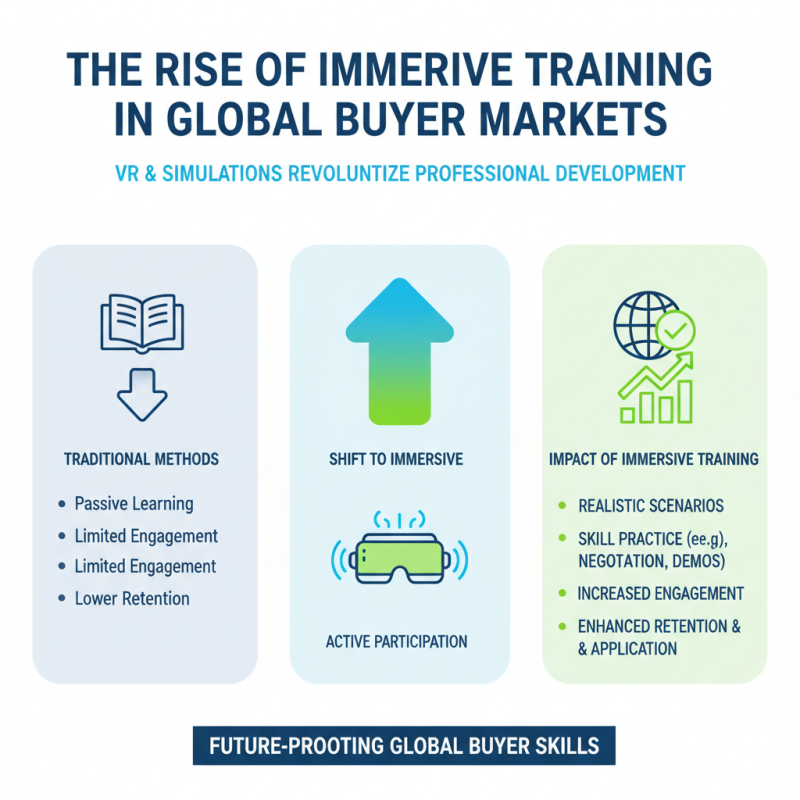
The Rise of Immersive Training in Global Buyer Markets
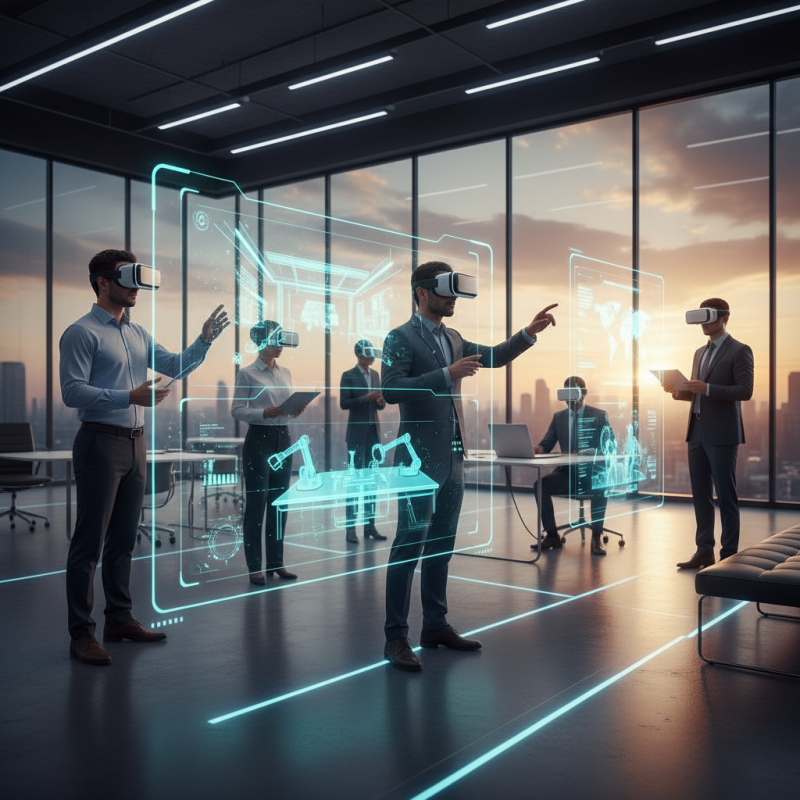
The rise of immersive training in global buyer markets reflects a significant shift in professional development strategies. This innovative approach leverages virtual reality and simulations to create realistic learning experiences. These methods engage participants more intensely than traditional techniques. As a result, learners can practice negotiation skills or product demonstrations in lifelike environments, enhancing retention and application.
Moreover, immersive training fosters collaboration among global teams. It breaks down geographical barriers, allowing professionals from various regions to train together. This accessibility nurtures cultural understanding and reduces the risk of miscommunication. Reflecting on this, some experts note that while immersive training is effective, it requires thoughtful implementation. Without sufficient debriefing, learners may struggle to translate experiences back to their work environment. Balancing innovation with careful reflection can lead to more fruitful outcomes.
Critics of immersive training argue that the technology may overshadow fundamental skills. A focus on high-tech solutions can deter participants who prefer hands-on learning. Furthermore, not all training providers are equipped to deliver quality immersive experiences. The challenge lies in ensuring that the immersive training matches the needs of diverse buyer markets and different learning styles. In this evolving landscape, continuous assessment and adaptation are key.
Quantifying the Impact: Improved Retention Rates in Immersive Training
Immersive training has become a game changer in how global buyers learn. A report by PwC indicates that immersive training can enhance retention rates by up to 75%. Traditional methods fail to engage, leaving gaps in memory retention. In contrast, immersive experiences lead to better recall and application of knowledge.
Studies show that learners in immersive environments retain information for longer periods. The same PwC report highlighted that participants were four times more likely to engage in their training. Offering realistic scenarios makes lessons stick. For instance, simulations allow learners to practice decision-making in a safe setting. This hands-on approach can sometimes reinforce paltry results from standard classroom training.
Despite these advantages, challenges arise. Not all organizations can invest in advanced technology. The initial setup can seem overwhelming, leaving experts to question the return on investment. However, with the growing acceptance of immersive training, data backs the shift. On average, companies find a 50% reduction in training time when switching to immersive formats. This data can't be ignored. Engaging with new methods becomes essential for achieving efficiency in today's market.
Cost Efficiency: Reducing Training Expenses for Global Organizations
In today's dynamic business landscape, global organizations are increasingly turning to immersive training. This approach not only enhances employee engagement but also significantly cuts training costs. According to a report by the Association for Talent Development, organizations utilizing immersive training methods can reduce costs by up to 70%. These savings arise from lower travel expenses, less need for physical materials, and decreased time spent in traditional classroom settings.
However, while cost efficiency is a clear benefit, some organizations struggle to effectively implement immersive technologies. In fact, a LinkedIn survey indicated that 44% of companies cite lack of expertise as a major barrier. Without experienced trainers and adequate resources, the potential of immersive training can diminish. It’s crucial for businesses to invest in training for trainers and infrastructure to avoid wasted investments.
Additionally, firms must be cautious about the scalability of immersive training. Not all employees may respond positively to virtual environments. A study conducted by the Research Institute for Learning and Development showed that 30% of participants preferred traditional methods over immersive techniques. Companies must assess their workforce's readiness to adapt. Balancing innovation with employee comfort can pose a challenge yet remains essential for successful training outcomes.
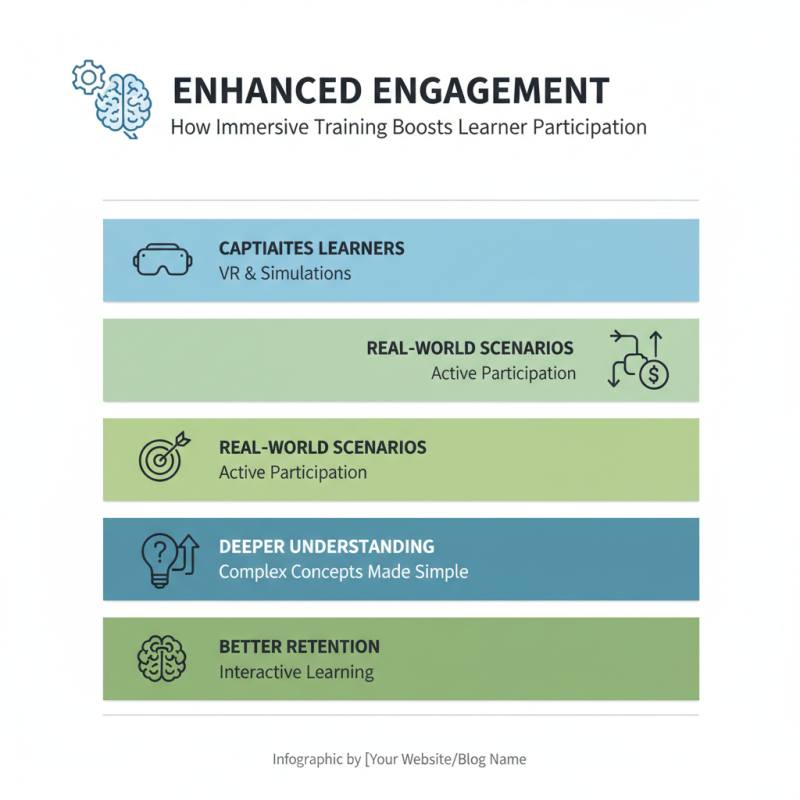
Enhanced Engagement: How Immersive Training Boosts Learner Participation
Immersive training captivates learners, making education an engaging experience. By utilizing virtual reality and simulations, participants feel real-world scenarios. This method cultivates interest and drives active participation. When learners interact with content, they recall information more effectively. This immersion fosters a deeper understanding of complex concepts.
However, the techniques aren’t flawless. Some learners may struggle with the technology or the new training format. It’s essential to provide support to ensure everyone can benefit. Feedback loops can identify what works and what needs adjustment. Encouraging an open dialogue about the experience enhances the training continuously.
Incorporating gamification elements can also amplify engagement. Rewards and challenges motivate participants to push their limits. Yet, excessive competition might detract from learning objectives. Balancing fun with educational goals remains crucial for successful immersive training. Overall, creating a rich learning environment demands creativity and constant refinement.
Real-World Application: Bridging Theory and Practice for Buyers
Immersive training offers a unique approach to enhancing the capabilities of global buyers. It allows them to engage deeply with real-world scenarios. Through simulations, participants can practice decision-making in complex environments. This hands-on experience is vital as it bridges theory with practical application. Buyers learn to navigate challenges they may face in actual transactions, making their training feel more relevant.
By focusing on immersive techniques, buyers can better understand cultural nuances and market dynamics. They gain insights into negotiating styles that vary across regions. This exposure directly impacts their ability to forge successful partnerships. The process is not always smooth, leading to moments of frustration and uncertainty. Yet, these challenges become valuable learning opportunities. Reflecting on difficulties fosters growth and adaptability.
Moreover, immersive training encourages collaboration among diverse groups. Buyers can share experiences and strategies, creating a richer learning environment. This peer interaction often highlights gaps in knowledge and skills. Identifying these areas helps shape further development. Engaging in this practical training helps buyers feel more confident in their roles. With each session, they get closer to mastering the art of negotiation and deal-making in a global context.
Top 10 Benefits of Immersive Training for Global Buyers